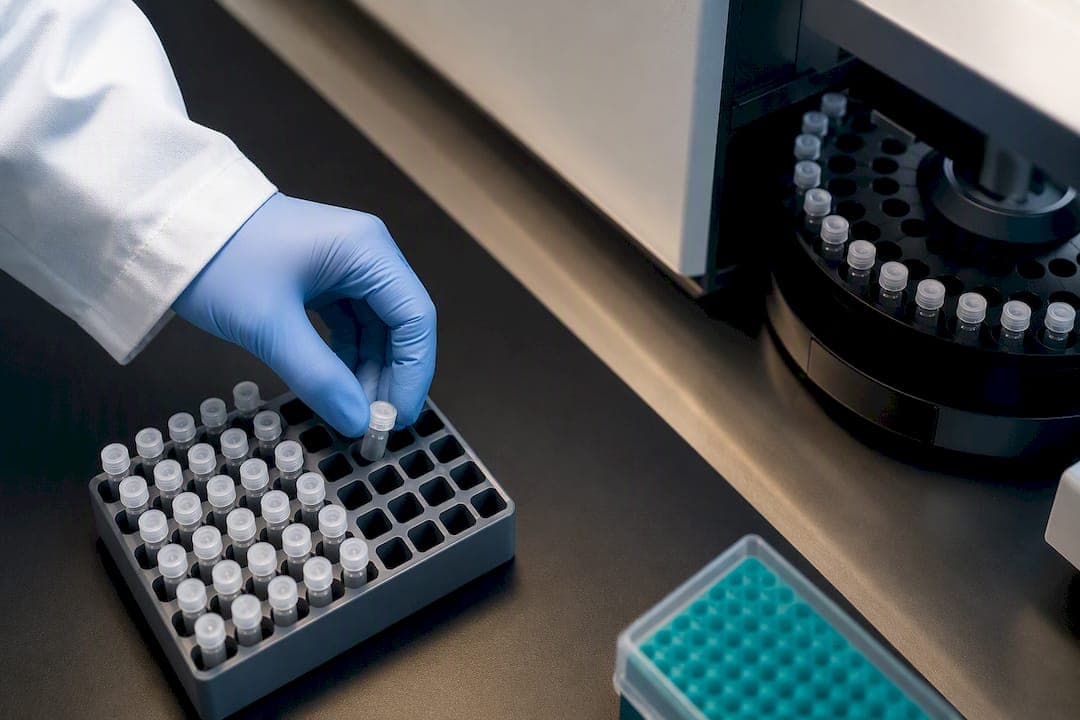
Preclinical evidence for several classes of cognitive peptides is strong; independently replicated human data is not. Semax, Selank, and food-derived candidates like ovomemolins show the clearest mechanistic signals, but no candidate has cleared the bar of large, Western-replicated clinical trials. Researchers evaluating this space should prioritize blood-brain barrier validation, reproducible in vitro assays, and verified reagent sourcing before drawing translational conclusions.
TL;DR:
- Most peptides lack large-scale, independently replicated human trial data, making it difficult to confirm their cognitive benefits outside Russian studies.
- Blood-brain barrier transport remains the main hurdle, requiring paired transport studies alongside mechanistic assays to reliably assess in vivo efficacy.
- Semax has the strongest human clinical evidence, but its data is regionally validated and lacks extensive Western replication, while ovoemolins show promising oral bioavailability and mechanism confirmation in animals.
- Effective research must include verified peptide sourcing with ≥99% purity, batch documentation, and appropriate delivery method considerations like intranasal or gut-brain axis pathways.
- Future progress depends on standardized BBB assays, independent replication outside Russian literature, and comprehensive human pharmacokinetic studies to confirm safety and dosage.
Table of Contents
- Cognitive Peptides Research: Types and Mechanisms Worth Measuring
- Key Candidate Peptides for Cognition: Evidence by Compound
- Overcoming the Blood-Brain Barrier: Delivery and Pharmacokinetics
- How to Evaluate Cognitive Peptide Studies Without Overinterpreting Them
- Research Methods: From Peptide Production to Validated Assay
- Sourcing Documentation That Supports Reproducible Peptide Research
- Regulatory Status of Cognitive Peptides Across Different Markets
- Current Limitations in Cognitive Peptide Clinical Research
- Where Cognitive Peptide Research Is Headed Next
- Priorities for the Field
- Sourcing Verified Peptides for Cognitive Research
- Sources
- FAQ
Cognitive Peptides Research: Types and Mechanisms Worth Measuring
Bioactive peptides relevant to cognition fall into three practical categories: endogenous neuropeptides and their synthetic analogs (Semax, Selank), food-derived bioactive peptides released from dietary proteins (ovomemolins, bSAPP), and mitochondria-targeted or membrane-active synthetic peptides (SS-31). Each class interacts with the central nervous system through different points of entry, and that distinction shapes which assay you run first.
The mechanistic targets researchers actually measure cluster around a handful of pathways. Peptide research increasingly targets survival signaling pathways such as EPO, GLP-1, and G-CSF after earlier neuroprotective drug classes underperformed in clinical trials. That shift matters: it means the field moved from blunt receptor agonism toward peptides that block pathological protein-protein interactions with more surgical precision.
The core mechanisms worth quantifying in any cognitive peptide study include:
- BDNF/NGF expression — upregulation in hippocampal tissue is the most reproducible marker of neurotrophic activity across multiple peptide classes.
- Cholinergic signaling — particularly α7 nicotinic acetylcholine receptor (α7nAChR) activation, which several food-derived peptides depend on for their cognitive effect.
- Anti-apoptotic activity — inhibition of programmed cell death pathways in neurons under metabolic or oxidative stress.
- Antioxidant and anti-inflammatory effects — reduction of reactive oxygen species and pro-inflammatory cytokine signaling in neural tissue.
- Mitochondrial protection — preservation of membrane potential and ATP production under stress, the mechanism most associated with SS-31.
The blood-brain barrier remains the central experimental variable in almost every one of these mechanisms. A peptide can show textbook BDNF induction in a cell culture dish and still fail entirely in vivo if it cannot cross into brain tissue at a meaningful concentration. That is why standard practice now pairs mechanistic assays (receptor binding, gene expression panels) with transport studies, rather than treating them as separate research tracks. If you are designing a study, budget for both from the outset. Related work on peptide modulation of the mTOR pathway offers a useful template for how anti-apoptotic signaling gets measured in adjacent peptide research.
Key Candidate Peptides for Cognition: Evidence by Compound
Not every peptide with cognitive claims attached to it has earned that reputation the same way. Some have decades of clinical use behind them in a single country; others have a single well-designed mouse study and a plausible mechanism. Here is where the evidence actually stands for the peptides most frequently discussed in cognitive enhancement research.
Semax evidence quality: strongest human data, weakest independent replication. Semax is an ACTH(4-10) analog with the most substantial human clinical record of any candidate nootropic peptide, including approved clinical use in Russia for cognitive and cerebrovascular disorders. Animal and human data both point to BDNF and NGF upregulation as the primary mechanism, typically studied via intranasal administration. The caveat that matters most: nearly all of that clinical literature originates from Russian trials, and independent Western replication remains sparse. Treat the mechanism as well-supported and the clinical efficacy claim as regionally validated, not globally confirmed.
Selank evidence quality: solid anxiolytic data, secondary cognitive signal. Selank, a synthetic analog of the endogenous tuftsin peptide, shows consistent anxiolytic effects in the same body of Russian clinical literature that supports Semax, with secondary improvements in cognitive measures in some trials. The cognitive benefit appears downstream of reduced anxiety and stress-axis activity rather than a direct neurotrophic effect, which is an important distinction when designing an endpoint. If your study measures working memory under stress conditions, Selank's mechanism predicts a real effect; if it measures memory in a low-stress paradigm, the signal may not replicate.
Epithalon evidence quality: mechanistic and longevity-focused, cognitive data indirect. Epithalon (a synthetic tetrapeptide, Ala-Glu-Asp-Gly) is studied primarily for pineal gland function and telomerase activity, with cognitive relevance inferred rather than directly demonstrated in controlled trials. Any cognitive claim for Epithalon should be treated as extrapolated from longevity and antioxidant research rather than a direct behavioral endpoint. That is a meaningful gap for anyone citing it as a cognitive enhancer specifically.
SS-31 evidence quality: mechanistically strong, cognitively preclinical only. SS-31 (elamipretide) targets mitochondrial cardiolipin to preserve membrane integrity and reduce oxidative stress, a mechanism with strong support across multiple organ systems. Its application to cognition specifically remains preclinical, built on the general logic that neurons are metabolically expensive cells vulnerable to mitochondrial dysfunction. Researchers citing SS-31 for cognitive enhancement are extending a well-validated mitochondrial mechanism into a domain it has not been directly tested in at scale.
Food-derived peptides (ovomemolins, bSAPP) evidence quality: reproducible animal efficacy, oral bioavailability advantage. This category has produced some of the most methodologically clean recent data in the field. Ovomemolins — three egg-derived peptide sequences (ILPEY, LYRGGLEP, ILELP) — improved cognitive performance in high-fat-diet mouse models after oral administration at a moderate oral dose, and blocking the α7nAChR receptor eliminated the effect, confirming the mechanism rather than just correlating with it.
Statistic callout: In the same research line, bSAPP demonstrated an EC50 of 0.01 mg/kg body weight per day in high-fat-diet mouse models, one of the more precise dose-response figures available for any food-derived cognitive peptide to date.
The endpoints worth watching across all of these candidates: novel object recognition (NOR) performance, hippocampal BDNF quantification by ELISA, and receptor-blockade controls that confirm mechanism rather than assuming it from correlation alone.
Overcoming the Blood-Brain Barrier: Delivery and Pharmacokinetics
The blood-brain barrier is the single biggest reason promising in vitro results fail to translate. Uncertainty about brain bioavailability persists for many peptides even when the same compounds produce clear behavioral improvements in intact animals, and that gap is exactly where a lot of published "cognitive enhancement" claims quietly fall apart.
Three assay types close that gap:
- In vitro BBB models (transwell co-culture systems with endothelial and astrocyte layers) to screen transport potential before committing to animal work.
- In situ brain perfusion to measure real-time uptake kinetics with tighter control than whole-animal dosing allows.
- In vivo tracer studies using radiolabeled or fluorescent-tagged peptide analogs to confirm actual brain tissue concentration, not just serum levels.
Oral peptides complicate this picture in an interesting way: some don't need to cross the barrier directly at all. Gut-brain axis signaling allows peptides like ovomemolins to trigger CCK release in the gut, which activates vagal afferents and downstream acetylcholine signaling in the brain, a mechanism that bypasses the transport problem entirely. This is a meaningfully different pharmacokinetic story than intranasal Semax, which relies on direct nose-to-brain transport through the olfactory epithelium.
Intranasal delivery generally offers faster onset and avoids first-pass metabolism, but formulation stability and dosing consistency are harder to control than with injectable routes. Parenteral administration gives more predictable pharmacokinetics at the cost of practicality for repeated dosing in human studies. Chemical modifications, cyclization, D-amino acid substitution, and PEGylation, are the standard toolkit for extending a peptide's half-life against enzymatic degradation, whichever route you choose.
Pro Tip: When measuring central effects after peripheral (oral or intranasal) administration, include a serum-only sampling timepoint alongside CNS tissue collection. This lets you distinguish true brain penetration from a systemic effect that merely looks central on a behavioral assay.
How to Evaluate Cognitive Peptide Studies Without Overinterpreting Them
Most overstated claims about cognitive peptides trace back to the same handful of translational failure modes, and recognizing them is faster than re-running the study yourself.
- Dosing that doesn't scale. A dose that produces a clean effect in a 25-gram mouse rarely translates to a proportional human dose without a formal PK/PD bridging study, and few published papers include one.
- Underpowered human trials. Small sample sizes inflate effect sizes and increase the odds that a single positive trial won't replicate.
- Single-lab effects. A finding reported by only one research group, especially without independent replication, deserves more skepticism than the citation count suggests.
- Geographic concentration of data. Much of the human clinical literature for Semax and Selank comes from Russian trials, with limited independent Western replication to date. That is not disqualifying, but it is a real constraint on generalizability.
Safety monitoring deserves the same rigor as efficacy claims. Epithalon's telomerase-related mechanism raises theoretical long-term questions that have not been resolved by short-duration studies, and any peptide with a novel mechanism of action warrants monitoring beyond the study's primary cognitive endpoint, liver and kidney function panels at minimum, extended observation periods where feasible.
On sourcing: request a Certificate of Analysis and batch-specific documentation for every compound used in a study. Purity variance between batches is a common, underreported source of irreproducibility in peptide research, and it is entirely preventable with proper vendor verification.
Research Methods: From Peptide Production to Validated Assay
Producing a reproducible peptide study starts before the first assay runs. Two production routes dominate: chemical synthesis, which gives precise sequence control for known candidates like Semax, and enzymatic hydrolysis using thermolysin, papain, or alcalase, which releases novel bioactive peptides from food proteins like albumin and ovalbumin.
- Identify candidate sequences through predicted enzyme-specific cleavage patterns, then confirm with LC-MS to verify exact molecular identity before any biological testing begins.
- Confirm purity via HPLC, documented at ≥99% where possible, since purity variance directly confounds dose-response data.
- Run in vitro neuroprotection assays first, measuring cholinergic activity and BDNF/NGF output in neuronal cell lines before committing to animal studies. Peptastic Labs' guide to in vitro peptide testing methods covers the practical setup for this stage.
- Move to behavioral paradigms — novel object recognition (NOR), object location testing (OLT), scopolamine-induced amnesia models, or high-fat-diet-induced cognitive decline models, depending on the mechanism under study.
- Pre-specify primary endpoints and dose-ranging parameters before data collection, not after seeing preliminary results.
Sourcing Documentation That Supports Reproducible Peptide Research
Reproducibility problems in peptide research rarely start with the assay. They start with the vial. A peptide sourced without independent purity verification introduces a variable no statistical method can correct for after the fact.
Peptastic Labs maintains a catalog of more than 22 independently tested compounds relevant to cognitive, metabolic, and neuroprotective research, each verified to ≥99% purity via HPLC. That documentation matters practically: a researcher comparing BDNF induction across labs needs confidence that "Semax" in one freezer is chemically identical to "Semax" in another, and batch-to-batch purity variance is one of the most common uncontrolled variables in peptide literature.
Certificates of Analysis and batch documentation are available on request for compounds ordered through Peptastic Labs, giving research teams a verifiable paper trail for methods sections and institutional review. Third-party verification, rather than in-house testing alone, adds a layer of independent confirmation that matters when a study faces peer review scrutiny over reagent provenance. Proper storage protocols also affect data quality between batches; Peptastic Labs' guide to avoiding peptide degradation outlines handling practices that preserve compound integrity between receipt and use.
Regulatory Status of Cognitive Peptides Across Different Markets
Regulatory treatment of cognitive peptides varies sharply by jurisdiction and by intended use. Compounds like Semax and Selank hold approved clinical status in Russia for specific cognitive and anxiety-related indications, but that approval does not extend to other markets. In the United States, most of the peptides discussed in this article are sold and used strictly as research chemicals, not as approved therapeutics, and are not intended for human consumption or clinical use outside a formal trial framework overseen by an institutional review board.
Australia treats research peptides under its own therapeutic goods framework, which distinguishes between compounds supplied for laboratory research and those marketed for human therapeutic use. Buying, possessing, or using a peptide outside its approved research classification carries legal exposure that varies by state and by the specific compound involved, so researchers should confirm current status with the relevant regulatory body rather than relying on a vendor's marketing language.
The practical takeaway for laboratories: verify a peptide's regulatory classification in your specific jurisdiction before designing any study, and treat "used clinically in Russia" or "available for purchase" as separate facts entirely from "approved for human use where you work." Institutional ethics committees increasingly ask for this distinction explicitly in study protocols, and getting it wrong at the design stage costs far more time than checking it upfront.
Current Limitations in Cognitive Peptide Clinical Research
The biggest limitation in this field isn't a lack of interesting molecules. It's the near-total absence of large, independently replicated human trials for most candidates outside a narrow set of Russian-sourced literature on Semax and Selank. That concentration means the global research community is largely working from animal data when it comes to compounds like ovomemolins, SS-31, and Epithalon, however strong the underlying mechanism looks in a mouse model.
Dose translation remains a persistent obstacle. Rodent studies routinely use doses, scaled by body weight, that have no established human-equivalent conversion validated by a formal pharmacokinetic bridging study, which means efficacy at a moderate oral dose in a mouse tells you very little about what dose, if any, would be appropriate or safe in a human trial.
Underpowered trial design compounds the problem. Small sample sizes common in early peptide research inflate apparent effect sizes and make single studies unreliable predictors of what a larger, blinded trial would find. Blood-brain barrier transport data adds another layer of uncertainty: a peptide can show a clear behavioral effect in an intact animal without clear confirmation that the compound itself, rather than a downstream signal, actually reached brain tissue.
Funding and institutional incentives also skew the literature toward positive, publishable results, which means null or negative findings for these same peptides may be underrepresented in what gets published at all.
Where Cognitive Peptide Research Is Headed Next
The clearest emerging trend is the shift toward oral, gut-brain axis peptides as a practical alternative to intranasal or injectable delivery. Ovomemolins and similar food-derived compounds sidestep the blood-brain barrier problem almost entirely by acting through vagal and hormonal signaling pathways, and that mechanism is easier to formulate, dose, and study in a standard clinical trial framework than anything requiring direct CNS penetration.
Standardization of blood-brain barrier assays is likely to become a bigger focus over the next several years, as more labs recognize that inconsistent transport-testing methodology is a major reason preclinical results fail to replicate across institutions. Expect more studies pairing in vitro BBB models with in situ perfusion data as a combined validation standard rather than relying on either method alone.

Combination and comparative studies are also gaining traction, testing whether stacking a neurotrophic peptide like Semax with a mitochondrial-protective compound like SS-31 produces additive effects, rather than studying each mechanism in isolation. Exercise-induced peptide research offers a useful parallel model here: physical activity naturally modulates several endogenous peptides tied to cognitive outcomes, giving researchers a validated comparison point for what a real, whole-body neurotrophic response looks like.
Independent Western replication of the Russian Semax and Selank literature remains the single most consequential gap the field could close, and any lab positioned to run that trial would move the entire conversation forward.
Priorities for the Field
Three priorities matter more than any new molecule right now: standardized BBB assays that let labs compare results across institutions, independent replication of Semax and Selank outside the existing Russian trial base, and rigorous human PK/PD studies before any dose translates from animal to clinic. First-in-human work on any of these compounds needs conservative dosing, extended monitoring windows, and transparent reporting of null results, not just positive ones. The field's credibility depends on it.
— Tintastic
Sourcing Verified Peptides for Cognitive Research
Some peptide suppliers provide independently verified purity data attached to compounds, supporting methodological transparency.
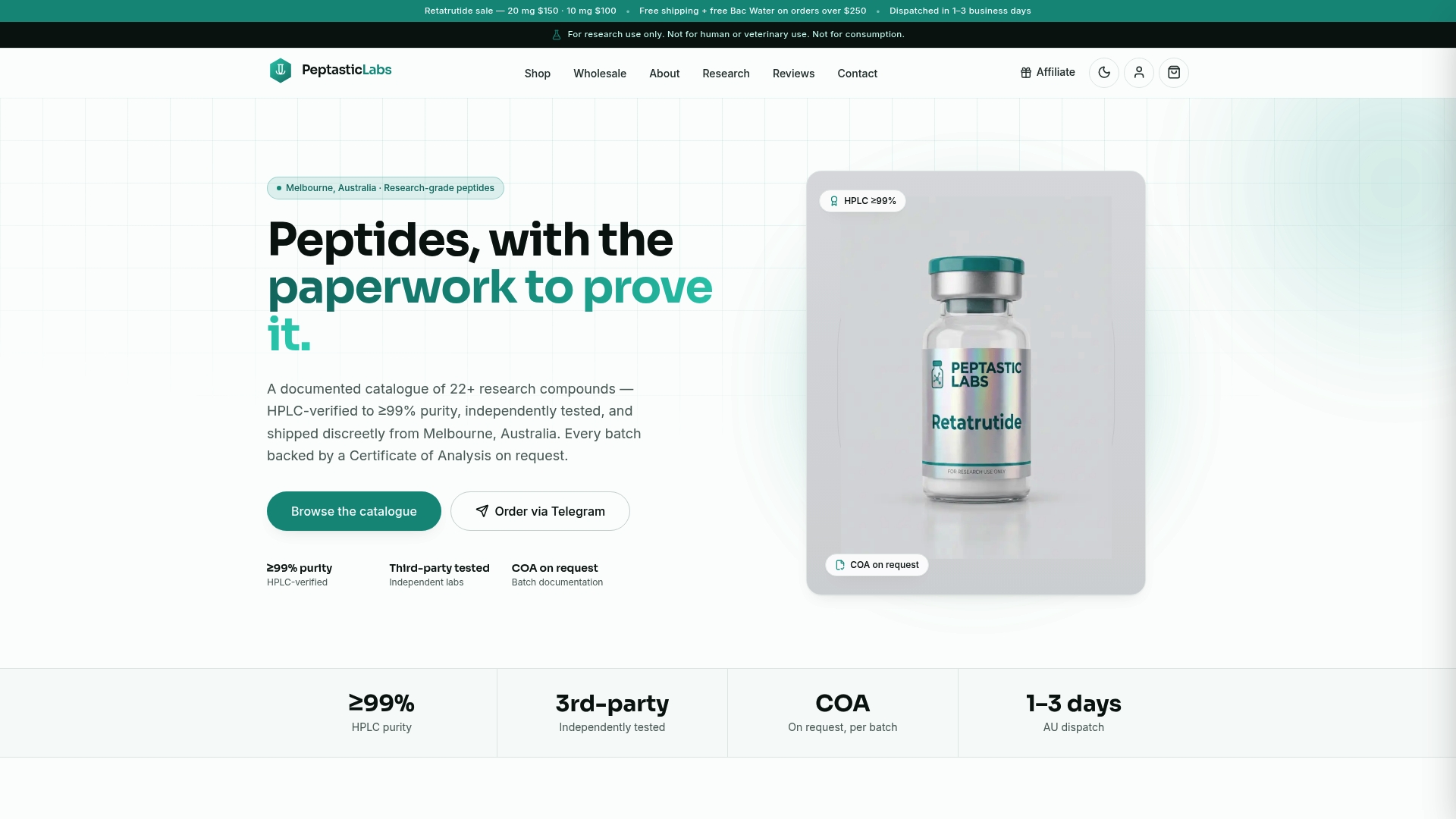
The catalog covers more than 22 compounds relevant to cognitive, metabolic, and neuroprotective research, each HPLC-verified to ≥99% purity with Certificates of Analysis and batch documentation available on request. That level of transparency matters most when a study faces peer review or when a lab needs to defend reagent provenance during grant reporting. Third-party verification adds an independent check beyond in-house testing, which is exactly the kind of documentation an institutional review board or journal reviewer increasingly expects to see cited. Qualified labs working on Semax, Selank, ovomemolins, or related cognitive compounds can browse the current peptide catalog and contact Peptastic Labs directly for bulk or project-specific sourcing guidance, including wholesale options for larger research programs.
This article is general information, not a substitute for advice from a qualified doctor. Consult a qualified healthcare professional about your own circumstances before acting on anything here.
Sources
- PubMed: (2025) study on food-derived bioactive peptides (bSAPP) and cognitive effects
- PMC review (2023) on peptides as neuroprotective agents
- PubMed review on mechanisms and production of neuroprotective peptides
- MDPI Nutrients review on peptides and BBB transport
FAQ
What is the best peptide for cognitive function?
No single peptide has definitive, independently replicated human proof as "the best." Semax has the strongest human clinical record for cognitive indications, though that data is concentrated in Russian trials, while ovomemolins show the most reproducible oral, mechanism-confirmed animal data.
What peptide does Jennifer Aniston use?
There is no credible, sourced clinical or scientific documentation tying a named cognitive or neuroprotective peptide to any specific celebrity, and this article makes no claim about individual, unverified usage.
Is there a peptide that helps with dementia?
Several peptides, including Semax and food-derived compounds like ovomemolins, show neuroprotective and cognitive-supportive mechanisms in preclinical and limited human studies, but none currently has large-scale clinical trial approval specifically for dementia treatment.
What is the strongest cognitive enhancer peptide by evidence quality?
By breadth of human clinical data, Semax ranks highest, with documented BDNF and NGF upregulation and established clinical use in Russia. By mechanistic precision in controlled animal studies, ovomemolins offer some of the cleanest recent evidence, including a confirmed acetylcholine-receptor-dependent effect.
How should researchers evaluate peptide purity before starting a study?
Request a Certificate of Analysis showing HPLC-verified purity, ideally ≥99%, along with batch-specific documentation from the supplier. Peptastic Labs provides this documentation on request for its full catalog of research-grade peptides.