Blog
Discover our latest articles and blogs
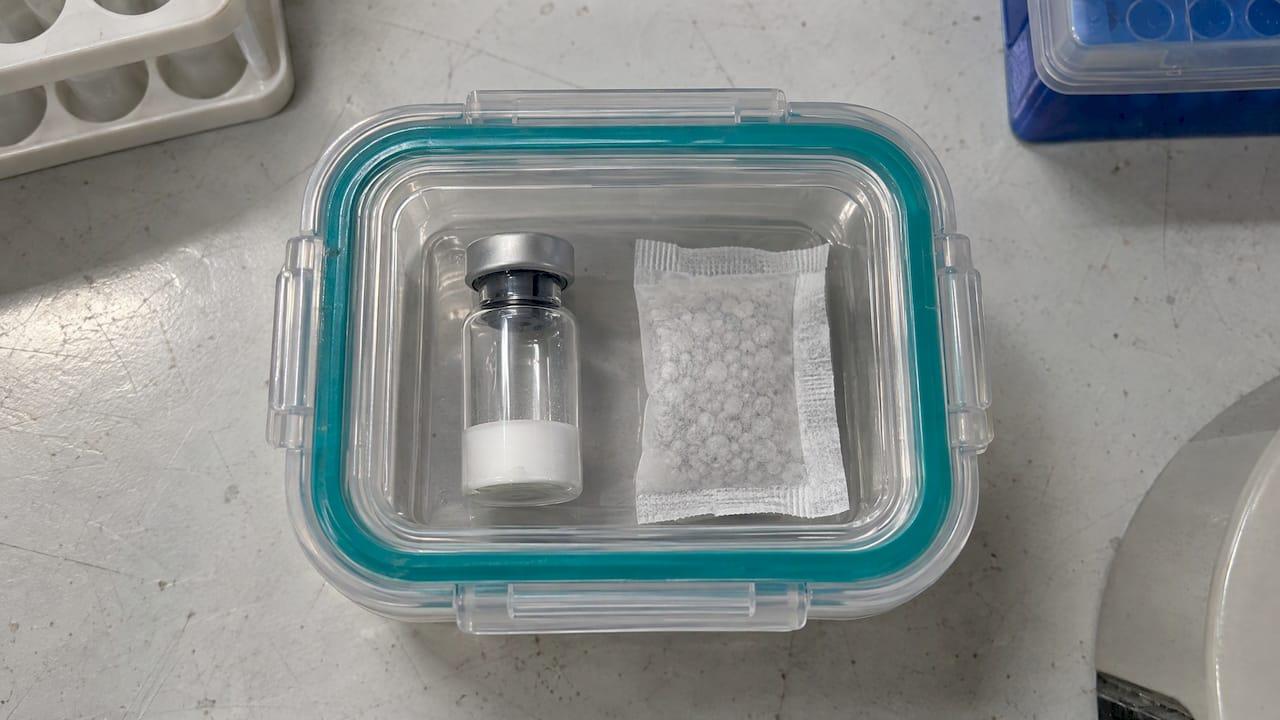
Peptide Desiccant Use: Keeping Lyophilized Peptides Dry
How desiccants protect freeze-dried peptides from moisture: why peptides are hygroscopic, how to set up a sealed container, and when to open a vial.
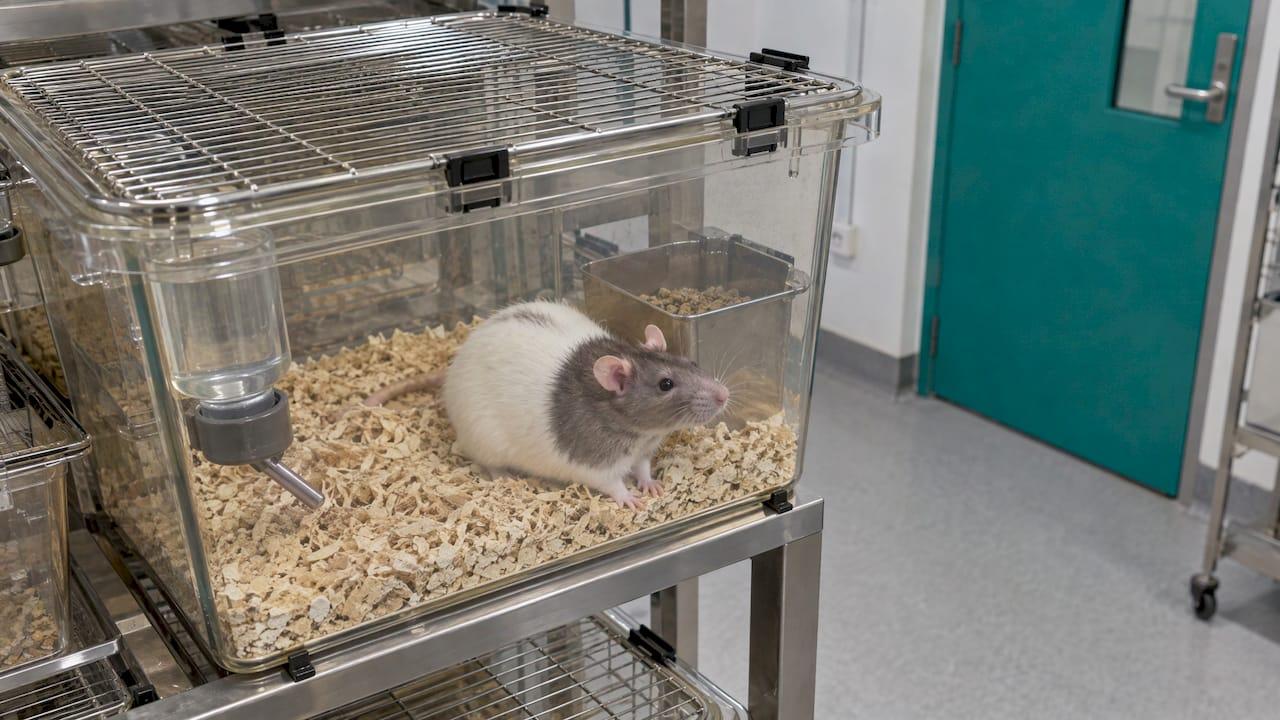
Animal Models in Peptide Research: A Practical Guide
How animal models are used in peptide research: species choice, study design, Australian ethics rules, and what rodent results do and don't tell you.
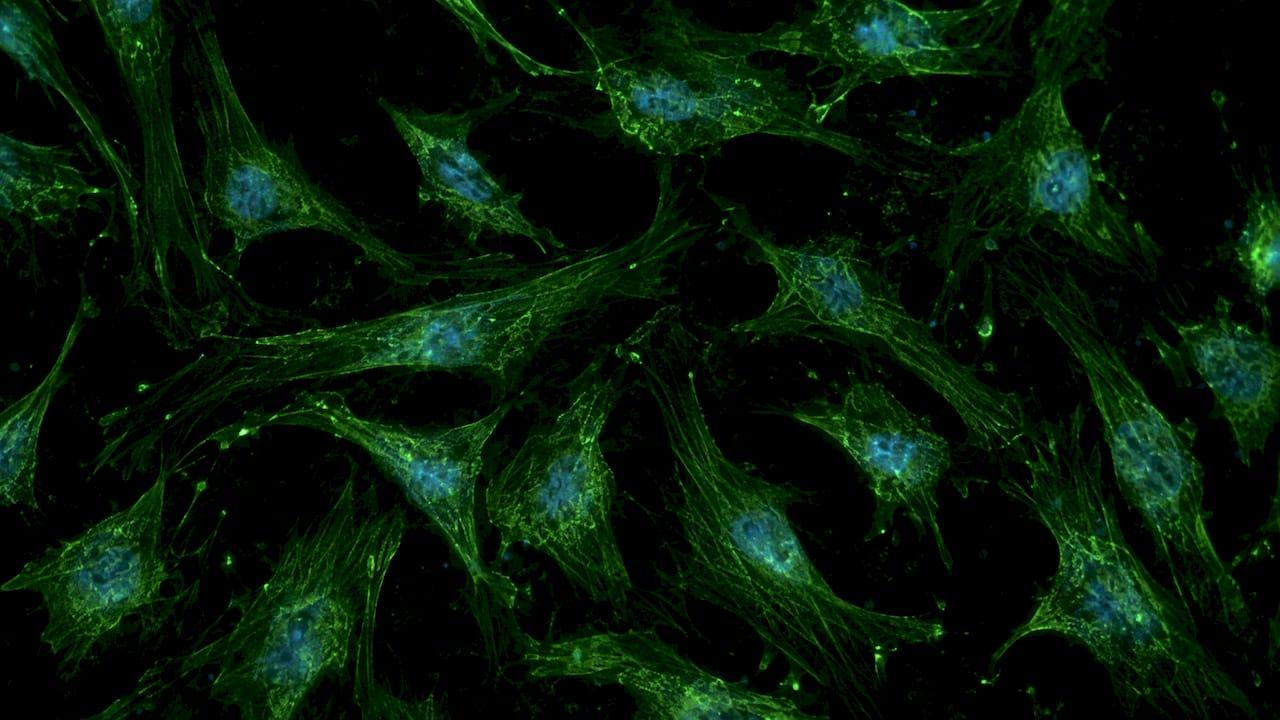
Senolytic Peptides Research: Mechanisms, Evidence and Limits
Senolytic peptides research explained: how FOXO4-DRI, ES2 and Peptide 14 target senescent cells, what studies show, the limits, and Australian TGA rules.
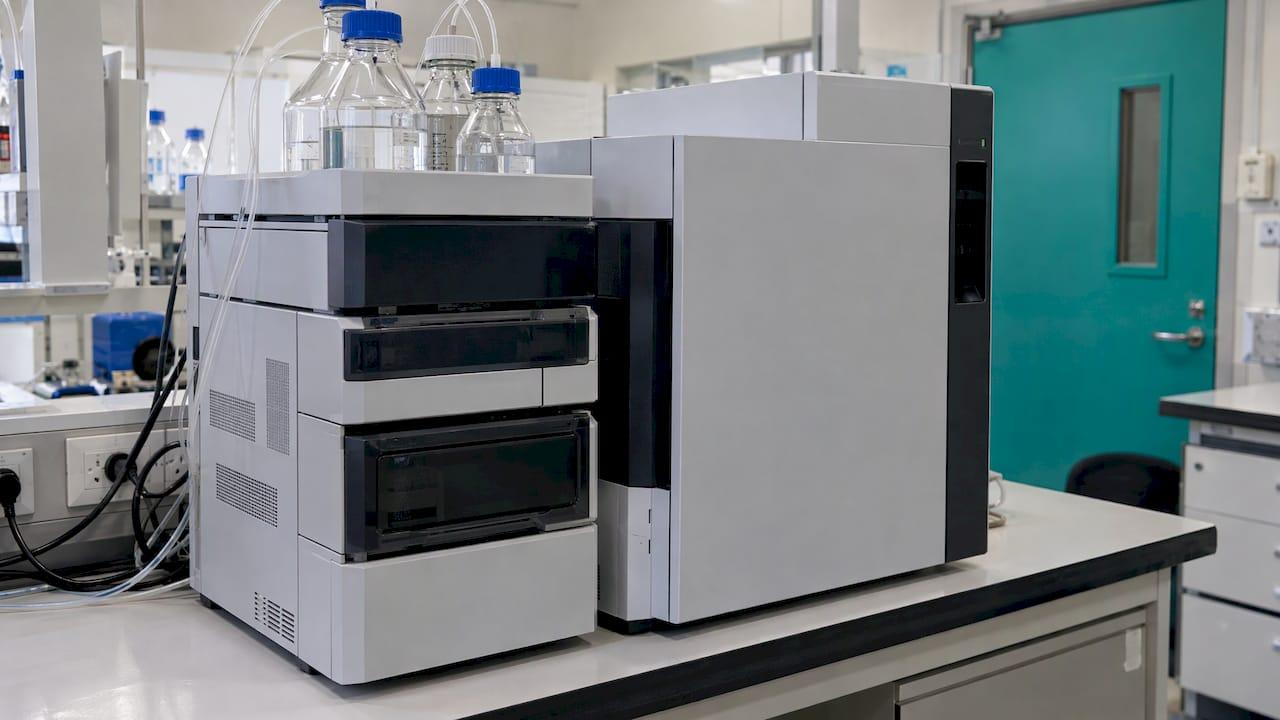
Retention Time Drift in HPLC: Causes and Fixes
Retention time drift in HPLC: how to tell drift from normal variation, read the shift pattern, find the cause and prevent it in peptide purity work.

Matrixyl 3000 Research: Composition, Studies and Study Design
Matrixyl 3000 research explained: its two peptides, the human data on wrinkles and elasticity, safety findings and how to design a sound skin study in Australia.
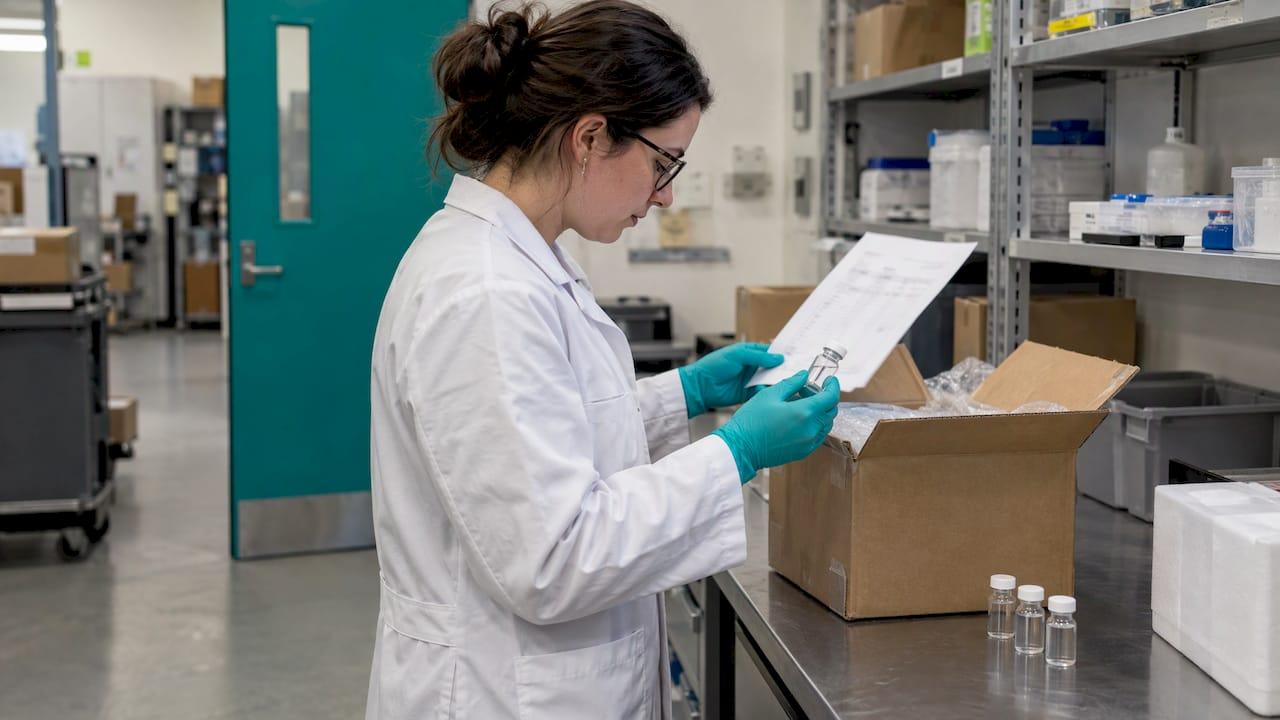
Wholesale Peptide Ordering in Australia: Process and Rules
How wholesale research peptide orders work for Australian buyers: qualification, documentation, COA checks, shipping and the TGA rules that apply in 2026.
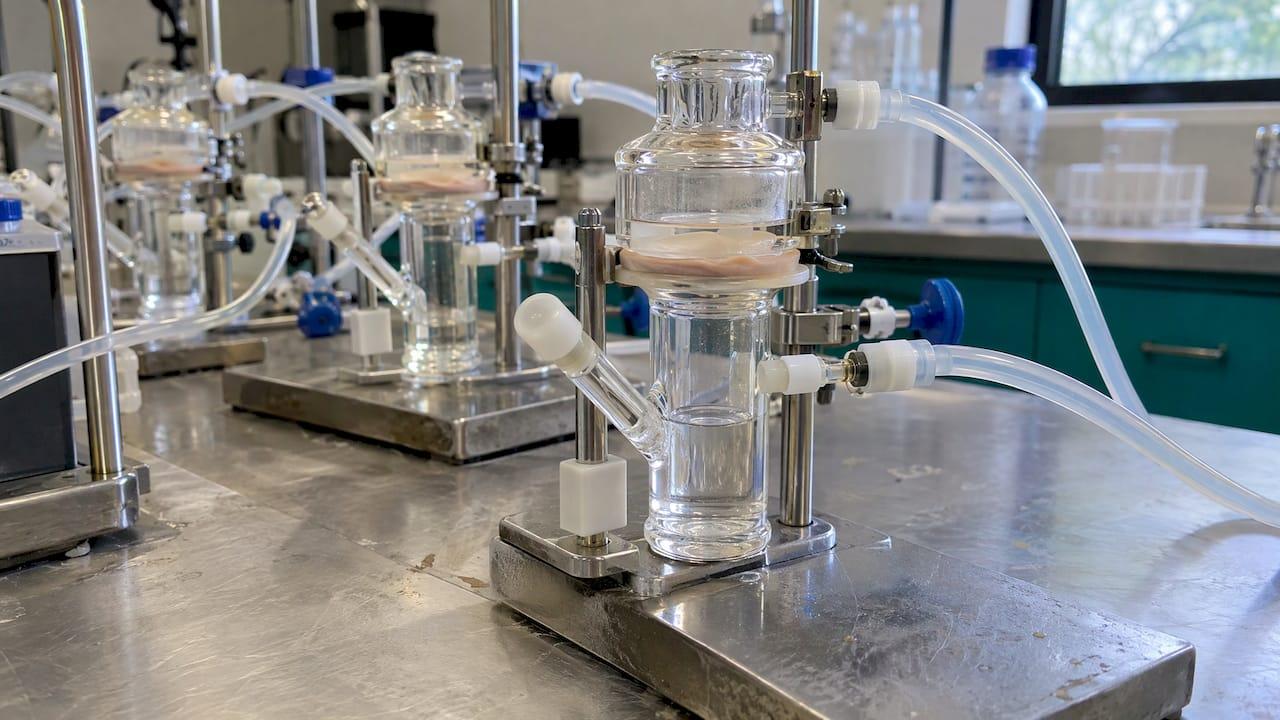
SNAP-8 Research: Mechanism, Studies and Evidence Gaps
What published research says about SNAP-8 (acetyl octapeptide-3): SNAP-25 and SNARE biology, Argireline comparison, skin delivery studies and what to document.
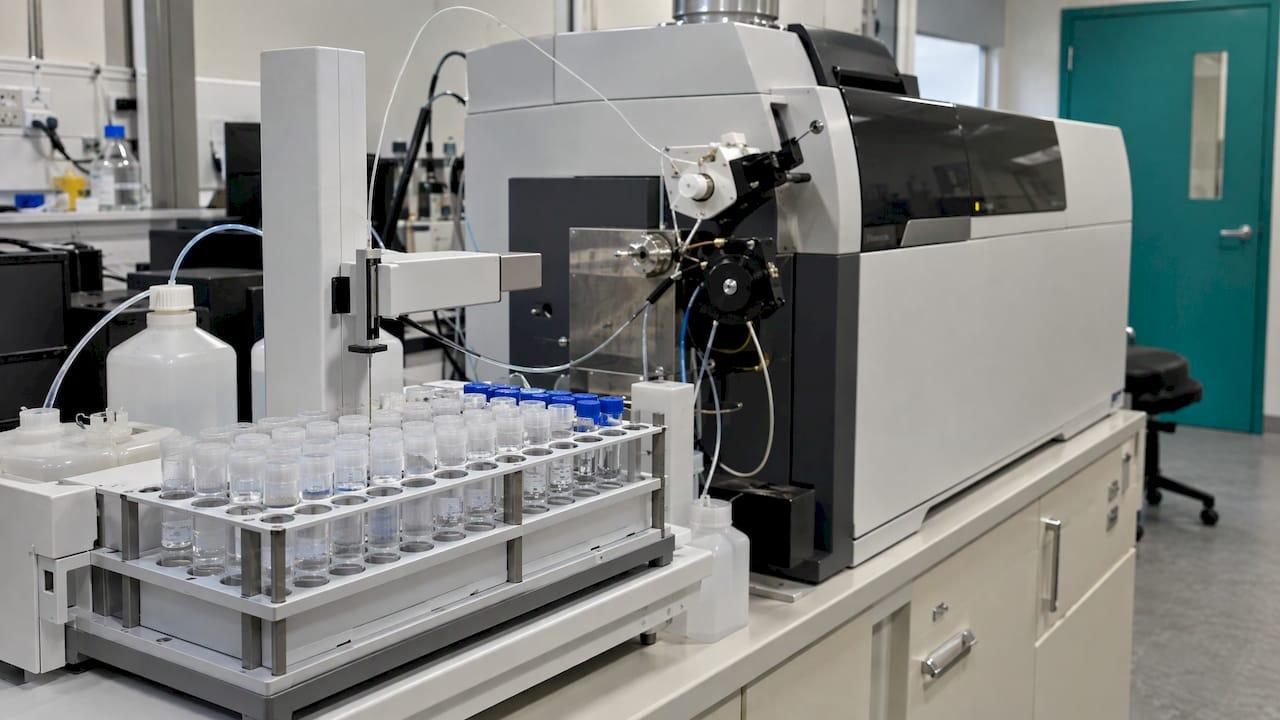
Heavy Metals in Peptides: Sources, Limits and Batch Documentation
How heavy metals such as arsenic, lead, cadmium and mercury get into research peptides, what Australian guidance says, and what batch documentation should show.
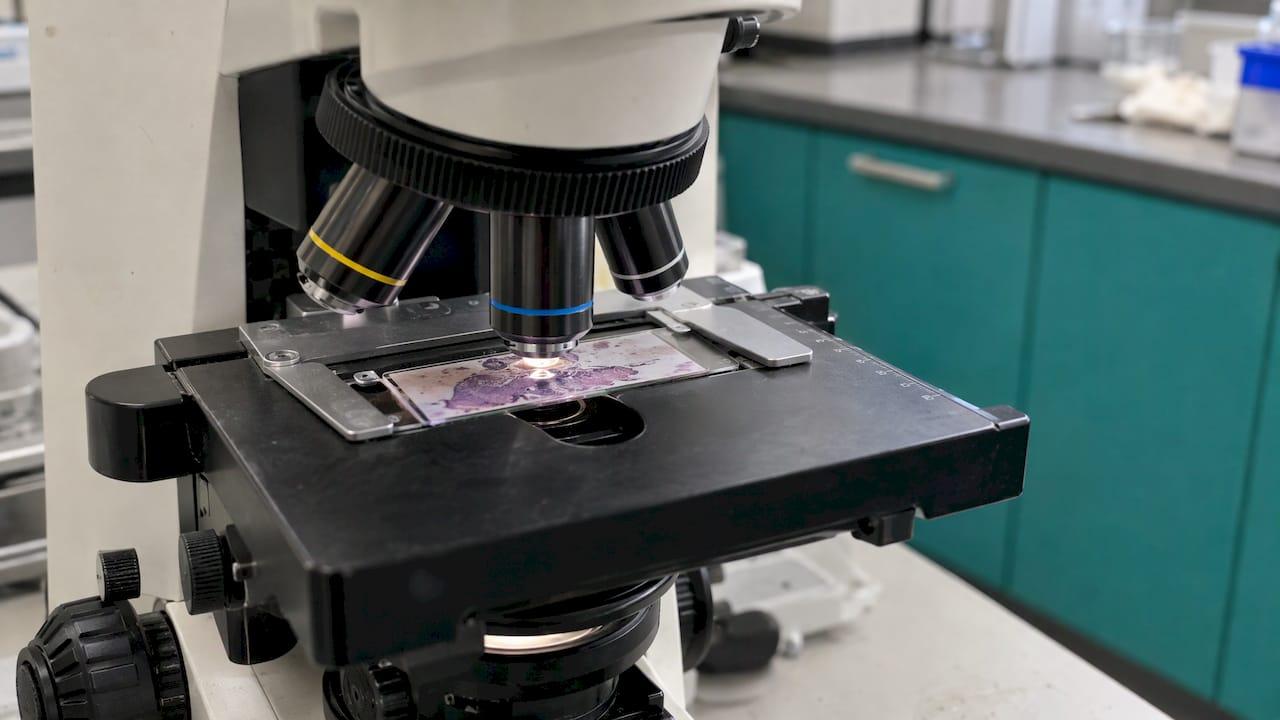
Autoimmunity Peptides Research: Epitopes, Thymic Peptides, Models
How peptides are studied in autoimmunity research: T-cell epitope peptides, thymic peptides, key models and results, and what to check on peptide identity and purity.