Blog
Discover our latest articles and blogs
10–30% Measured: Argireline Research for Clinicians and Researchers
Clinician and researcher review of Argireline research. Instrumented trials report 10–30% fine-line reductions; includes trial design, stability data, and...
Reproducible KPV Peptide Research with ≥99% HPLC Verified Material
Researcher-focused review of KPV peptide research: PepT1 uptake and NF-κB inhibition, an experimental checklist, and sourcing tips with ≥99% HPLC COA for...
Researchers: Evidence for 102 Cosmetic Peptides and QC Rules
For researchers: which cosmetic peptides have clinical evidence, how formulation and QC change outcomes, and clear study design rules to get reproducible...
Avoid Weeks of Delay: HS Codes for Peptides in Australia (ABF & TGA)
Australia-first mapping of ABF tariff chapters and TGA schedules to choose the correct HS code for peptides, avoid shipment holds, and prepare binding...
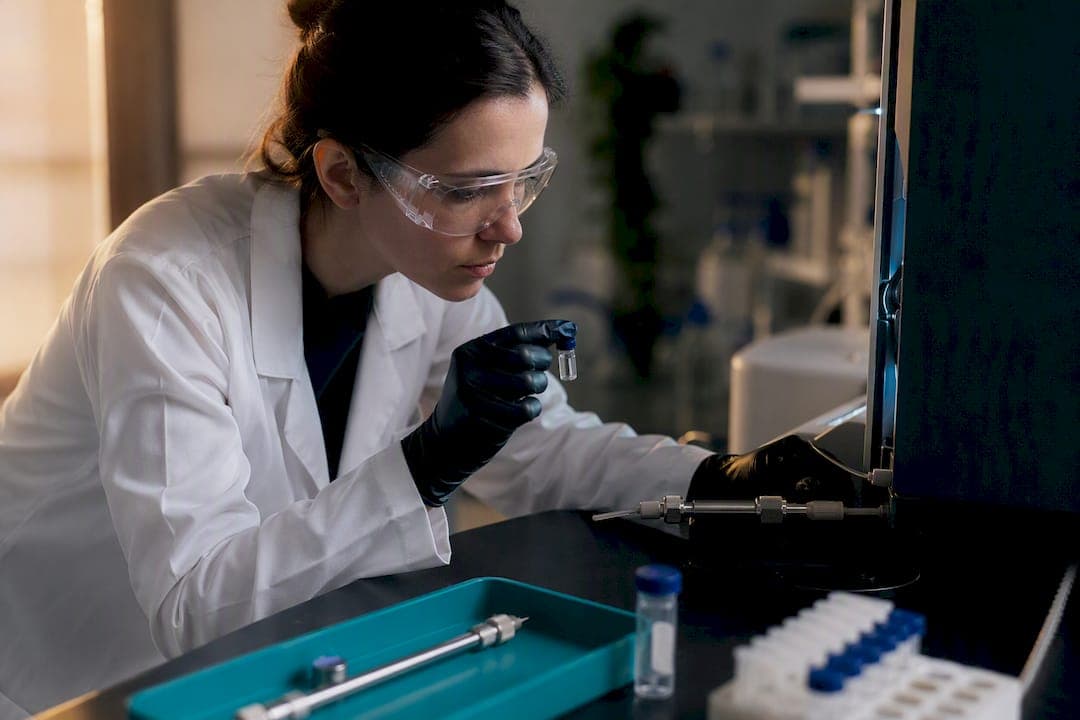
Prevent False Degradation in Peptide Stability Testing for Labs
Practical lab guidance for peptide stability testing: fix sample prep, build RP‑UPLC/LC‑MS stability-indicating methods, align with ICH, and verify...
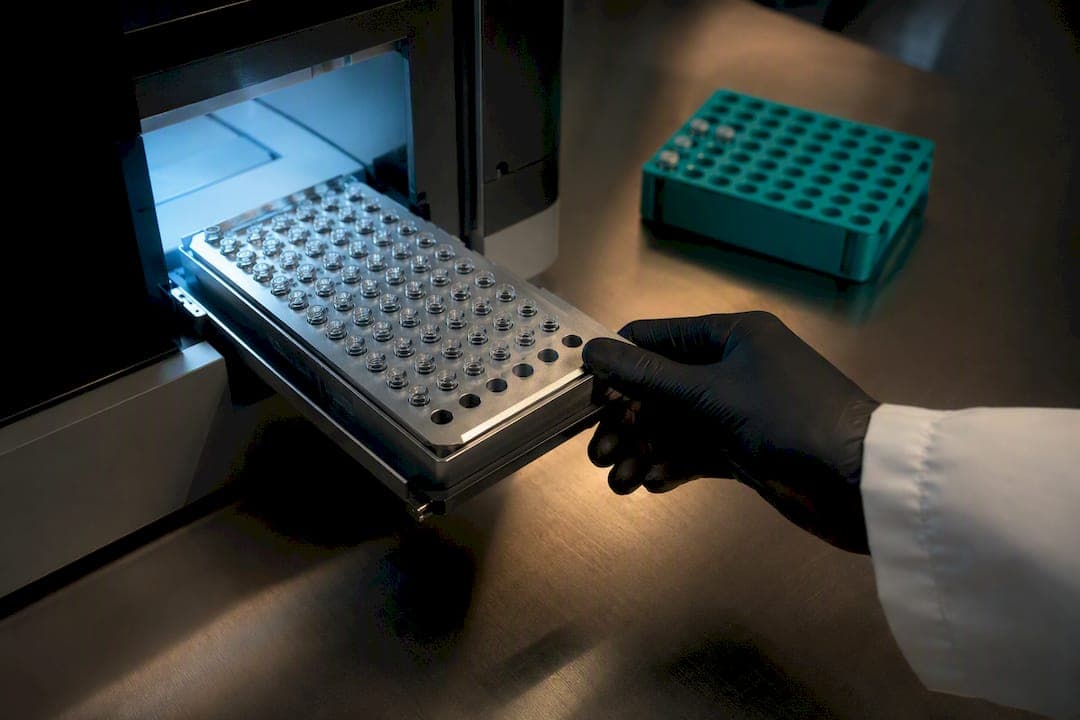
When Peptides Pass 30 aa, Labs Must Choose Length and Request QC
Practical rules for choosing peptide length in the lab: when to use 10–20 aa antigens, avoid the 30 aa synthesis trap, and which HPLC/MS QC to request.
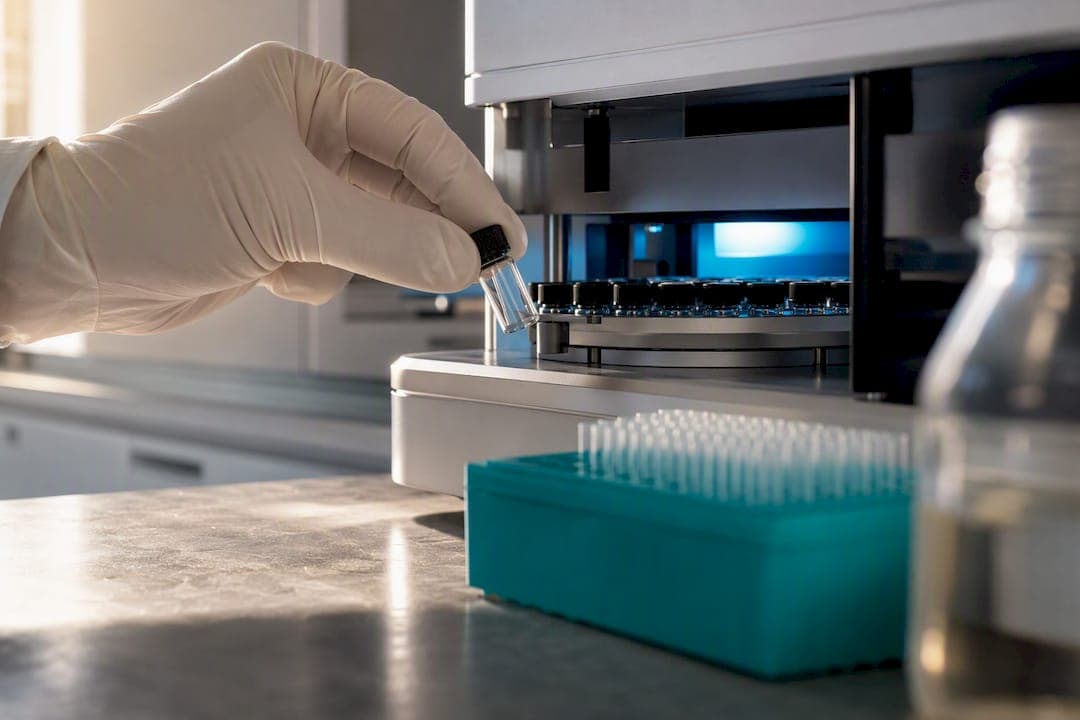
Lab Protocols and Sourcing to Reproduce FOXO4-DRI Findings
An evidence first review of five preclinical FOXO4-DRI studies. Mechanism, tissue outcomes, dosing, protocol and sourcing checks labs need to reproduce...

Affiliates: Why 30% Commissions Often Don't Pay in Peptide Programs
An affiliate-first checklist for peptide programs: model net payout, verify COAs and cookie windows, and get written payout and clawback rules before you...
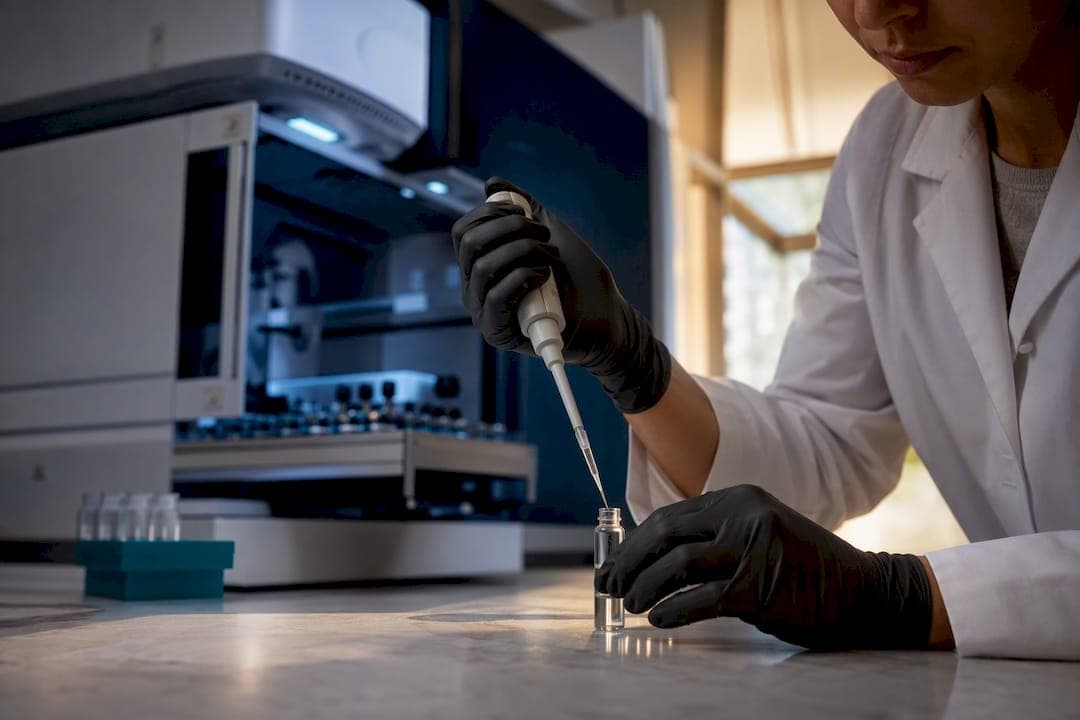
2–3x More High Confidence Calls: Peptide Sequencing Methods for Labs
For labs: a practical guide to peptide sequencing methods. When to use Edman, LC-MS/MS, de novo, or single-molecule tools and which protease and...