Blog
Discover our latest articles and blogs
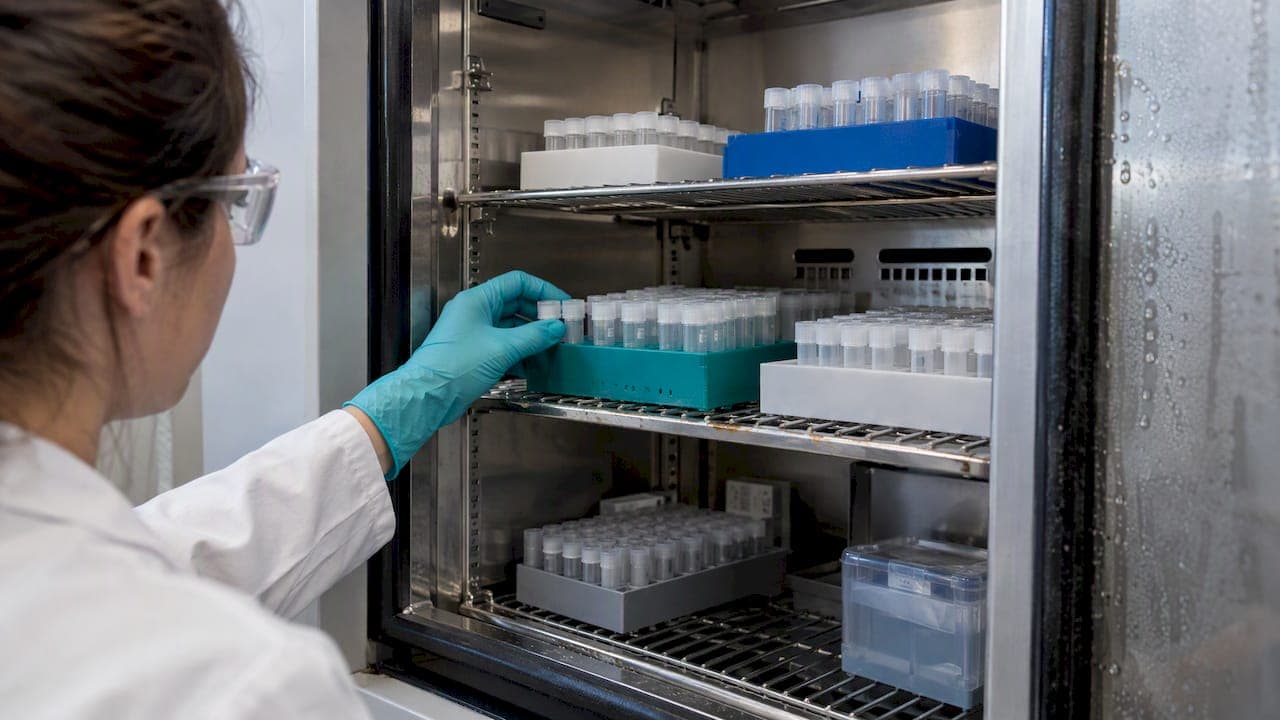
Peptide pH Stability: What Research Labs Need to Know
How pH affects peptide stability in solution: degradation pathways, pH ranges from published studies, a screening workflow, and Australian TGA context.
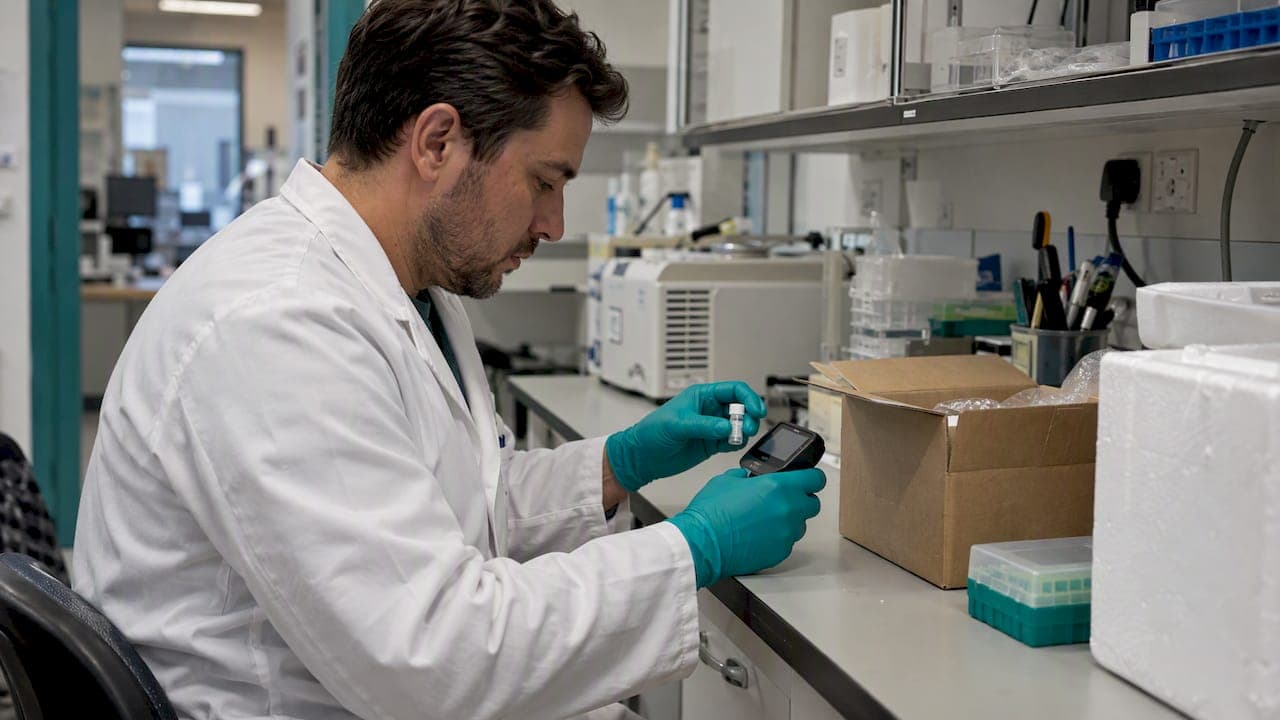
Peptide Temperature Excursions for Labs: A Log Won’t Clear a Batch
Quarantine a peptide batch after a temperature excursion, log exposure, then compare new reverse phase HPLC and mass spectrometry results with its COA.
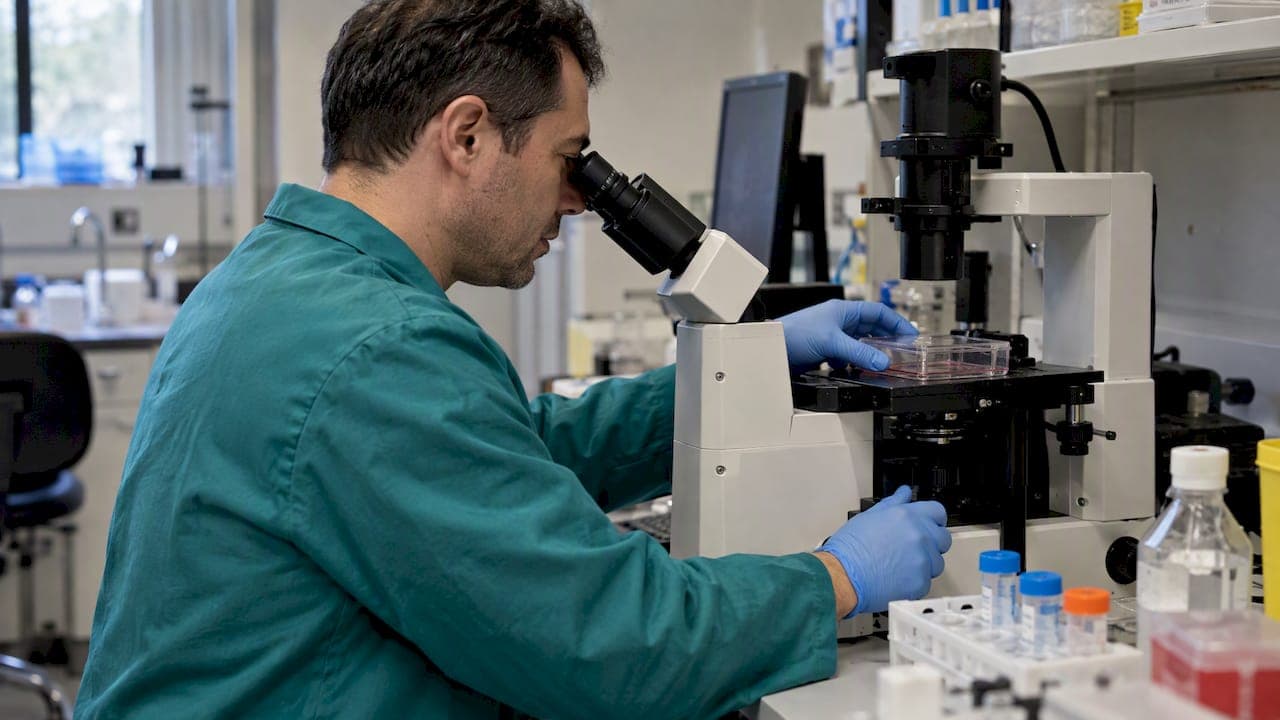
Oxidative Stress Peptides: 5 Routes, Human Evidence, Lab Limits
See how antioxidant peptides act through Nrf2, thiol chemistry, and mitochondrial targeting, then weigh human evidence, lab methods, and study design.
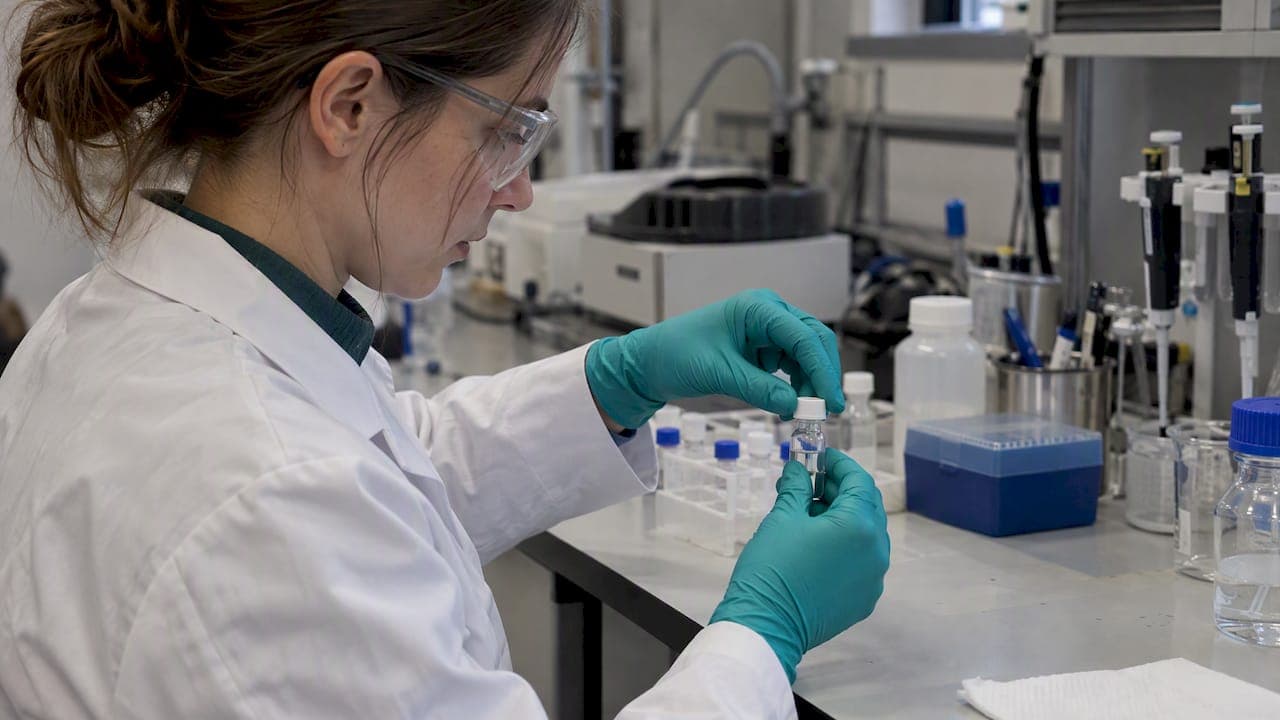
Peptide Oxidation Control for Labs: From Vial Steps to ICH Checks
Control peptide oxidation with storage, reconstitution, and handling steps, then verify stability through ICH guidance, analytics, and a reusable SOP.
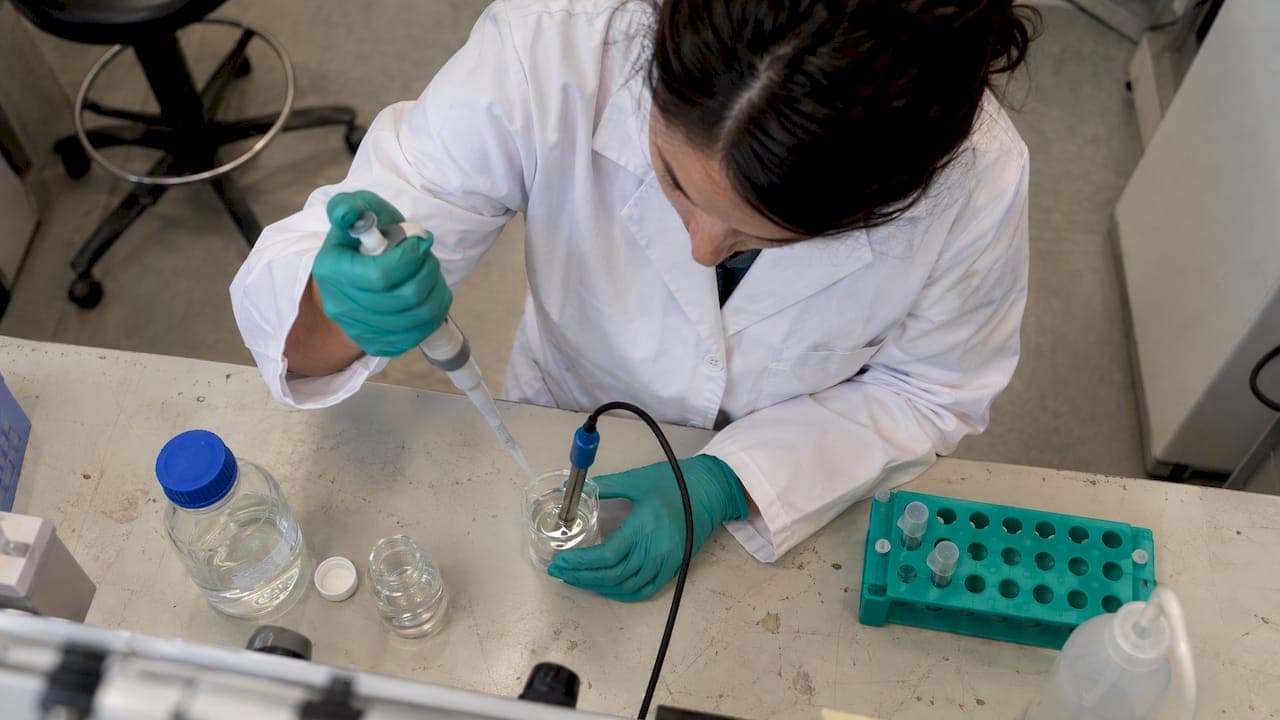
Peptide pH Adjustment: 7 Steps to Test Before Scaling Up
Learn to adjust peptide pH with seven lab steps, test a small aliquot, limit aggregation risk, and confirm integrity with HPLC before scaling the batch.
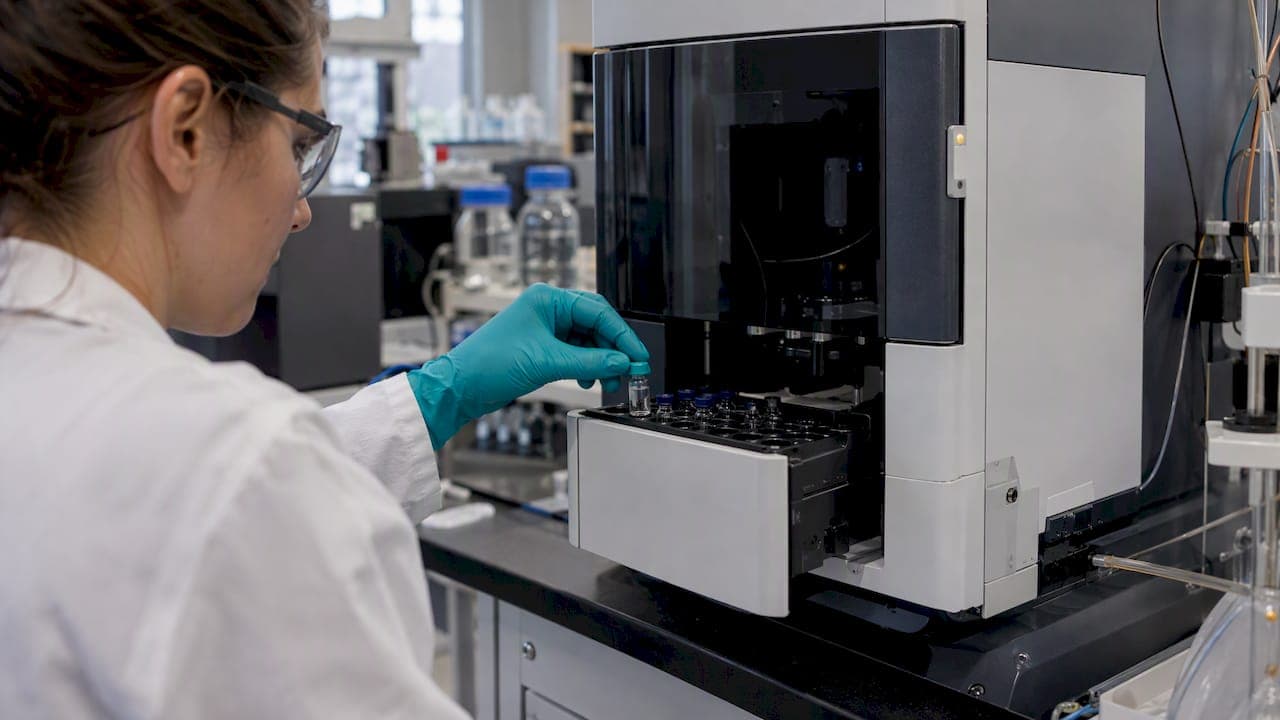
Peptide Impurity Profiling: Make Methods Hold Up to TGA and ICH
Learn to profile peptide impurities, select phase appropriate methods, validate them, and build risk based controls that meet TGA and ICH expectations.
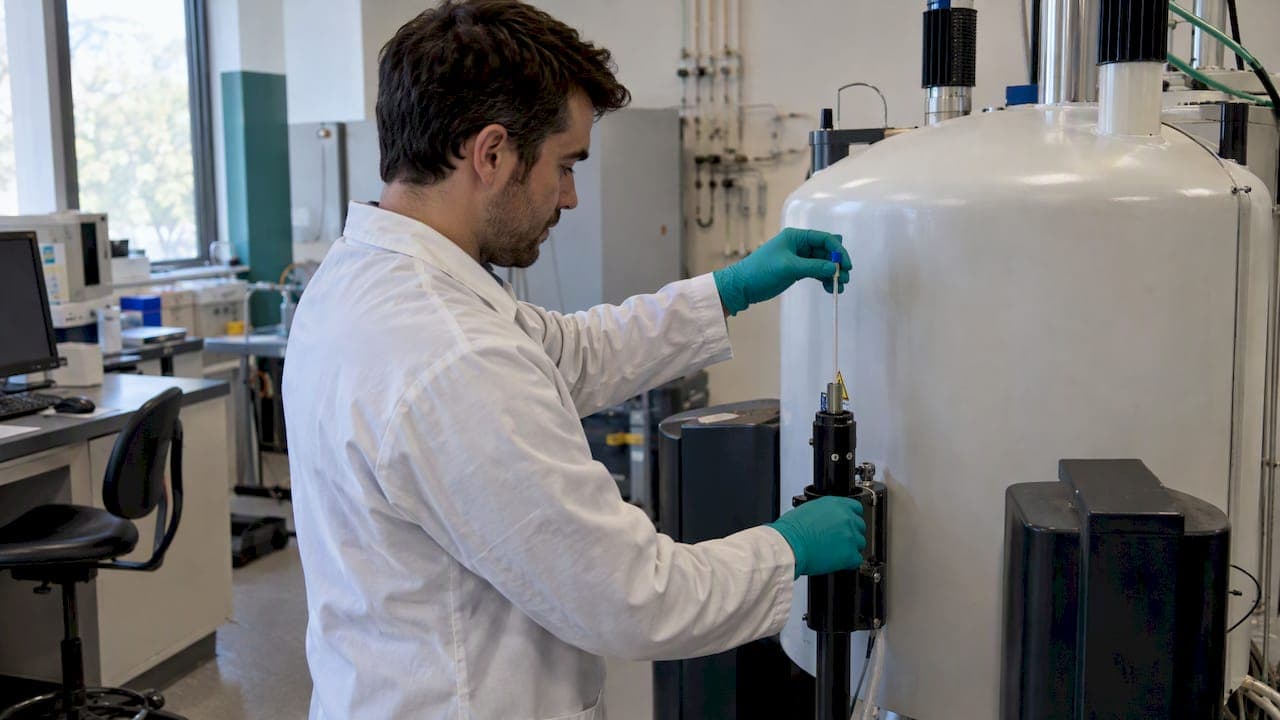
Peptide Salt Forms: Catch Residual TFA With 19F NMR
Learn when TFA, acetate, or HCl suits peptide research, how counterions affect assays and dosing, and how CoA, 19F NMR, and ion chromatography verify lots.
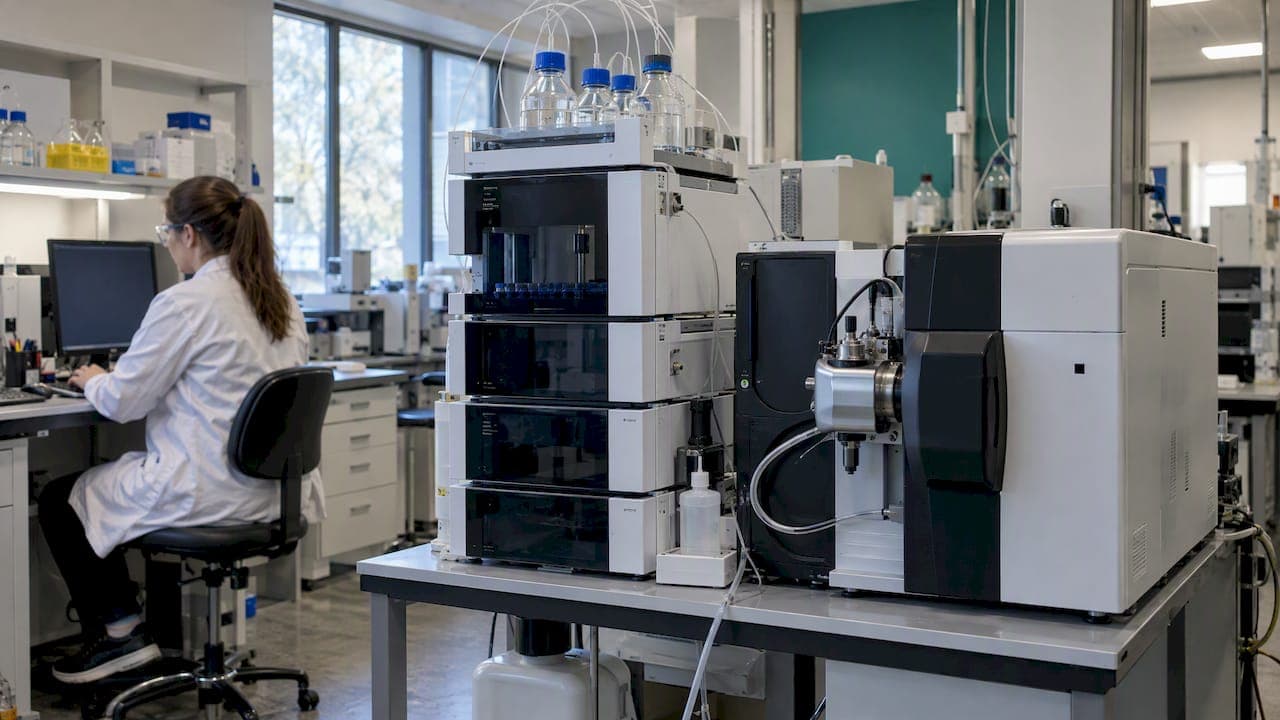
Peptide Peak Purity for Researchers: UV Limits, MS, and COA Checks
Learn what a peptide peak purity score can and cannot prove, when LC-HRMS or 2D-LC-MS adds confirmation, and how to check impurity reporting on a COA.
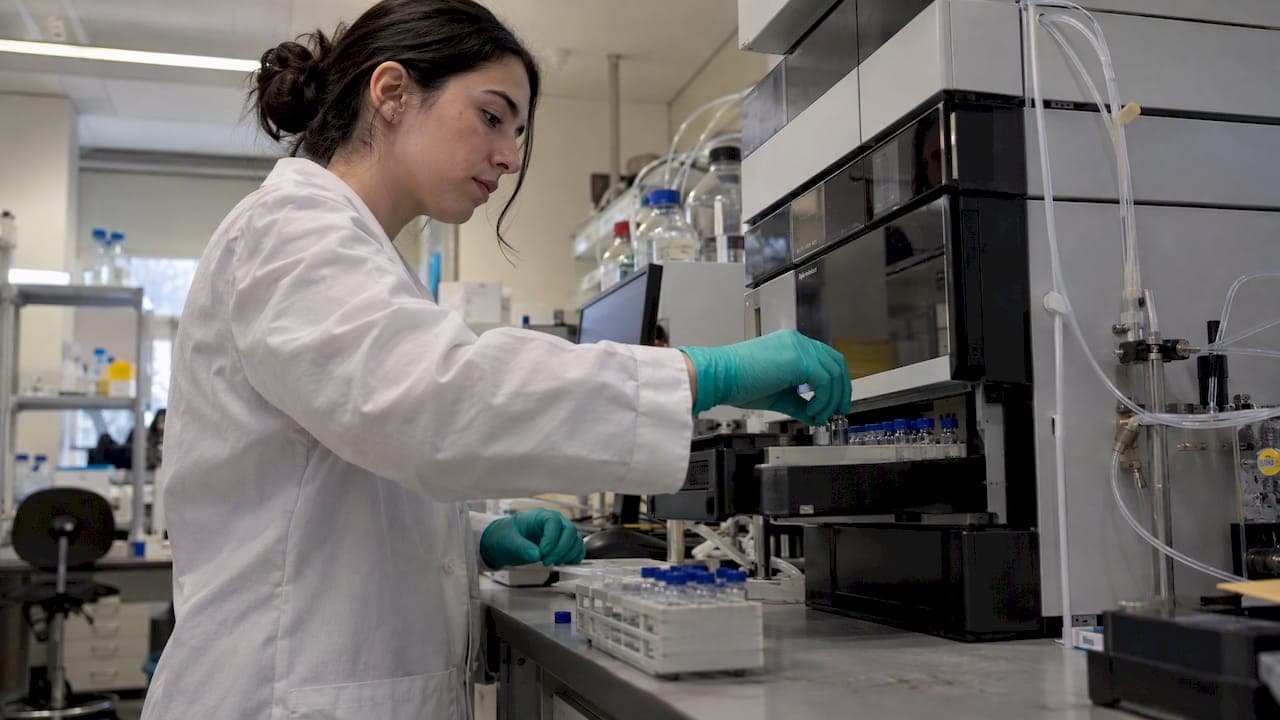
Prevent Peptide Aggregation: Researchers, Test One Residue at a Time
Peptide researchers can curb aggregation with sequence edits first, formulation fixes next, and assays to verify each change before advanced inhibitor design.