Blog
Discover our latest articles and blogs
Stop 30–60% Sample Loss: Peptide Carrier Proteins for Researchers
Mechanistic primer and lab workflows for researchers: choose the right peptide carrier, prevent 30–60% sample loss, and verify conjugation and QC.
Researchers: When Peptide Isoelectric Point Is Reliable Within 0.5 pH
Researchers: calculate peptide isoelectric point with a worked example, compare Expasy and IPC 2.0, account for PTMs, and know when to validate.
Researchers: Avoid 3 to 5x GMP Costs, RUO vs GMP Peptides Checklist
Practical checklist for researchers to choose RUO or GMP peptides, avoid 3 to 5x GMP costs, and request the supplier documents auditors expect.
2°C to 8°C Peptide Cold Chain for Labs: SOPs for Defensible Shipments
Lab-grade SOPs to qualify, monitor, and document peptide cold-chain shipments at 2°C to 8°C. Use calibrated loggers and CoAs to support defensible...
4 Steps to Verify COAs for Research vs Clinical Peptides
Four step checklist to expose COA limits, check sterility and endotoxin risk, and review Peptastic Labs' batch documentation for researchers and clinicians.
10–30% Measured: Argireline Research for Clinicians and Researchers
Clinician and researcher review of Argireline research. Instrumented trials report 10–30% fine-line reductions; includes trial design, stability data, and...
Reproducible KPV Peptide Research with ≥99% HPLC Verified Material
Researcher-focused review of KPV peptide research: PepT1 uptake and NF-κB inhibition, an experimental checklist, and sourcing tips with ≥99% HPLC COA for...
Researchers: Evidence for 102 Cosmetic Peptides and QC Rules
For researchers: which cosmetic peptides have clinical evidence, how formulation and QC change outcomes, and clear study design rules to get reproducible...
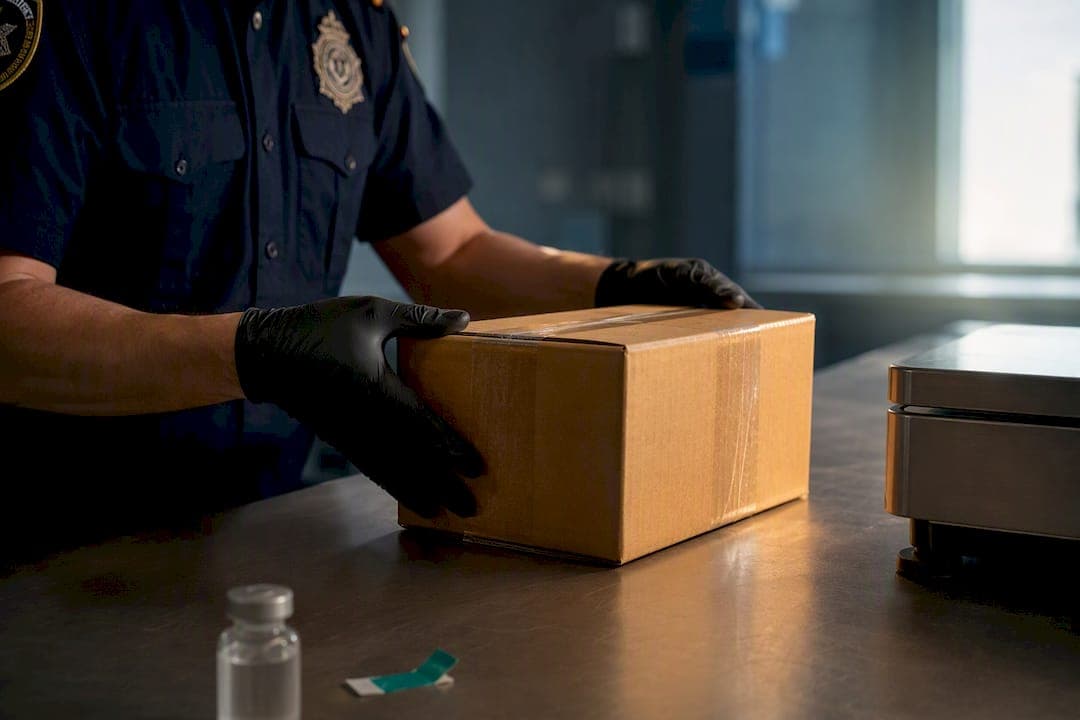
Avoid Weeks of Delay: HS Codes for Peptides in Australia (ABF & TGA)
Australia-first mapping of ABF tariff chapters and TGA schedules to choose the correct HS code for peptides, avoid shipment holds, and prepare binding...