Blog
Discover our latest articles and blogs
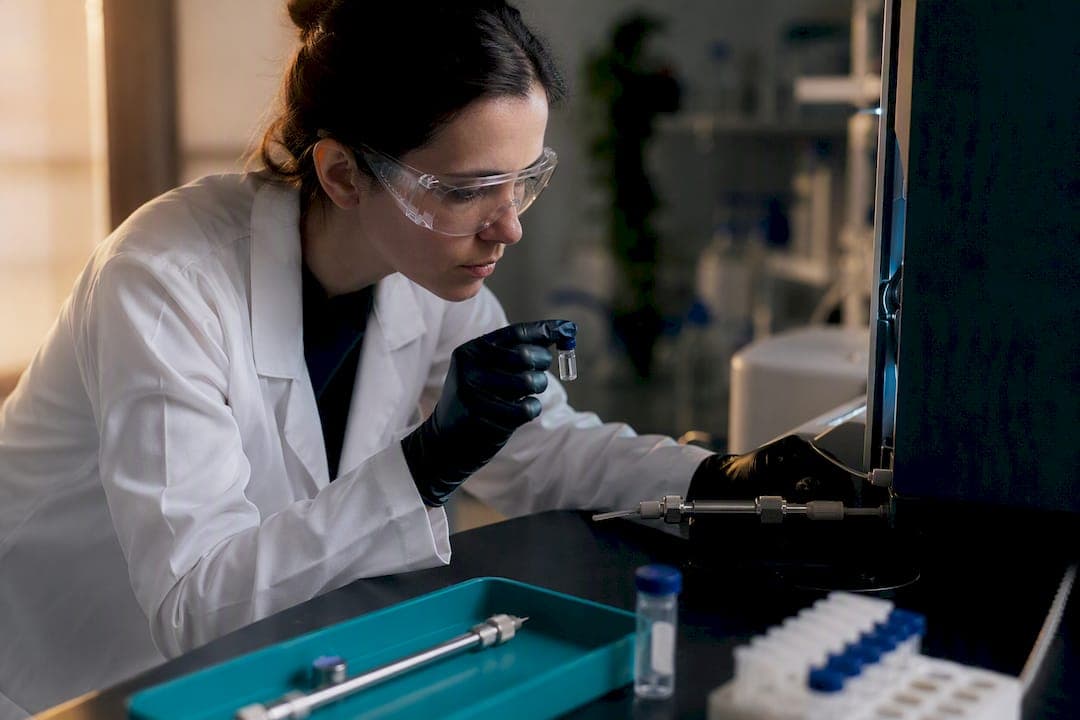
Prevent False Degradation in Peptide Stability Testing for Labs
Practical lab guidance for peptide stability testing: fix sample prep, build RP‑UPLC/LC‑MS stability-indicating methods, align with ICH, and verify...
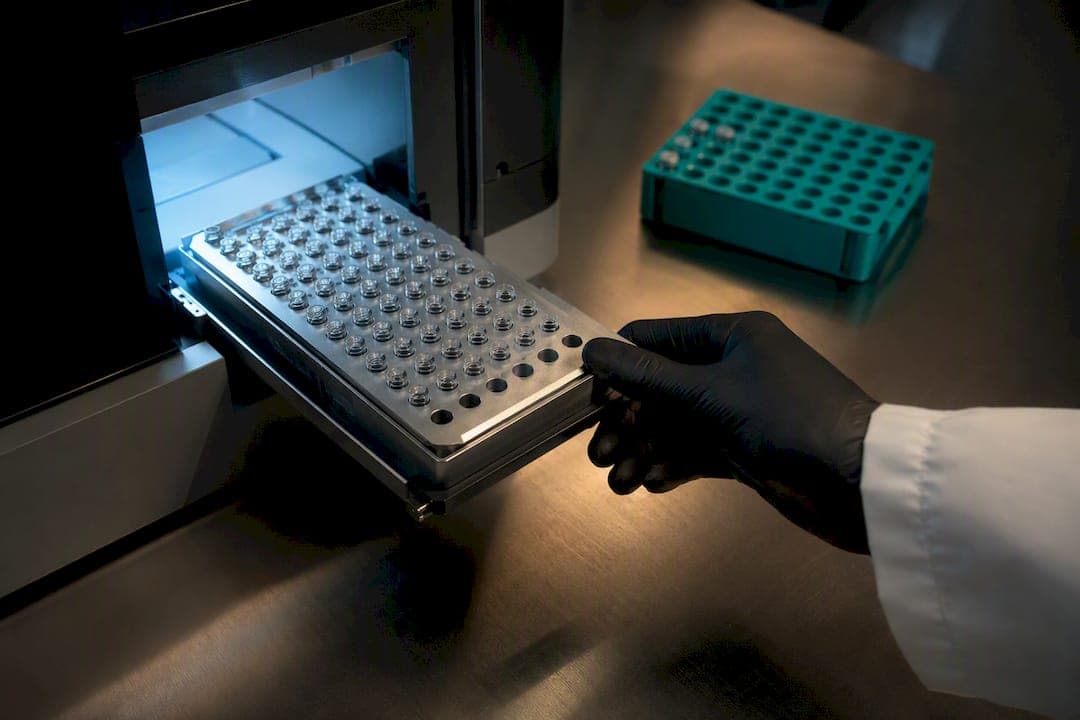
When Peptides Pass 30 aa, Labs Must Choose Length and Request QC
Practical rules for choosing peptide length in the lab: when to use 10–20 aa antigens, avoid the 30 aa synthesis trap, and which HPLC/MS QC to request.
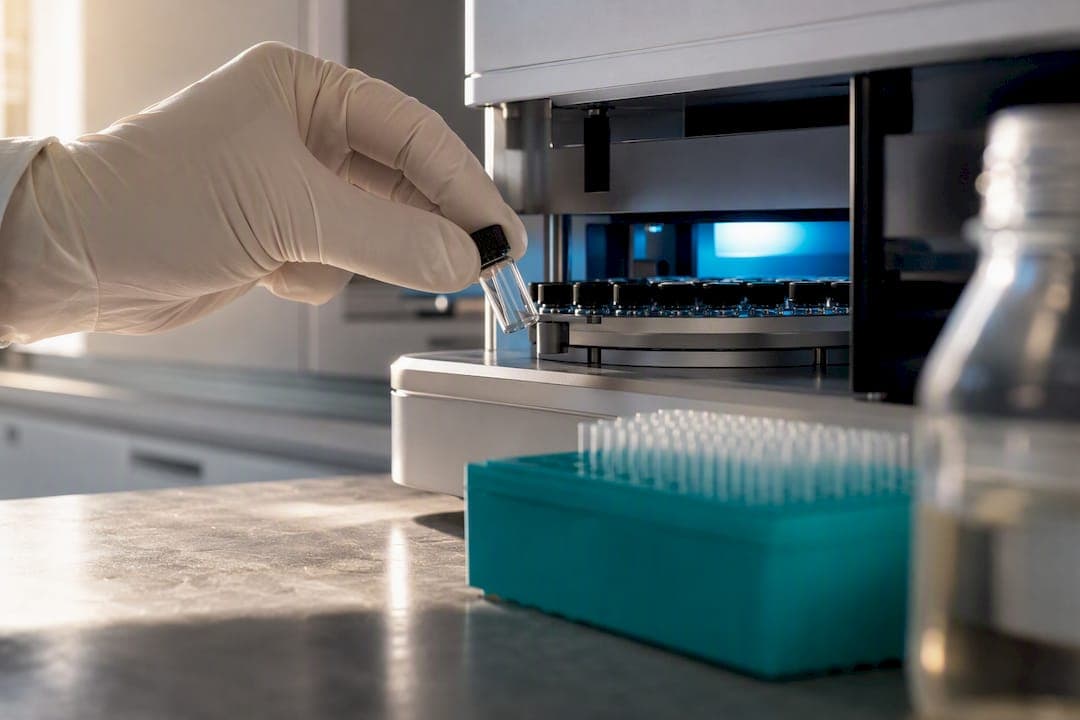
Lab Protocols and Sourcing to Reproduce FOXO4-DRI Findings
An evidence first review of five preclinical FOXO4-DRI studies. Mechanism, tissue outcomes, dosing, protocol and sourcing checks labs need to reproduce...

Affiliates: Why 30% Commissions Often Don't Pay in Peptide Programs
An affiliate-first checklist for peptide programs: model net payout, verify COAs and cookie windows, and get written payout and clawback rules before you...
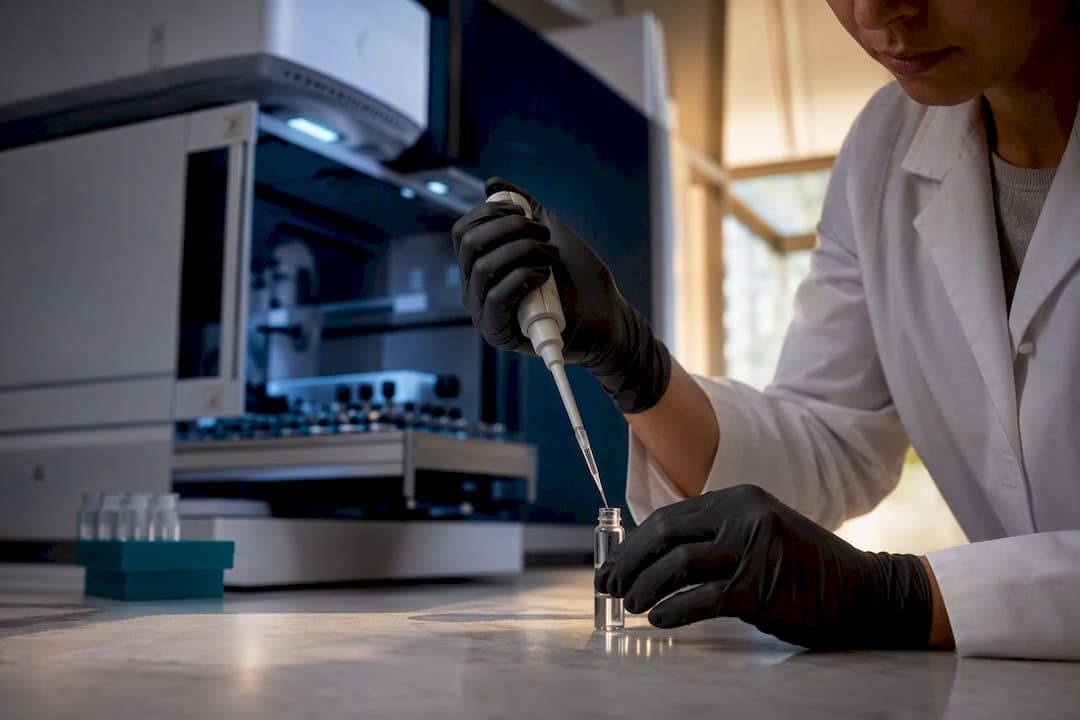
2–3x More High Confidence Calls: Peptide Sequencing Methods for Labs
For labs: a practical guide to peptide sequencing methods. When to use Edman, LC-MS/MS, de novo, or single-molecule tools and which protease and...
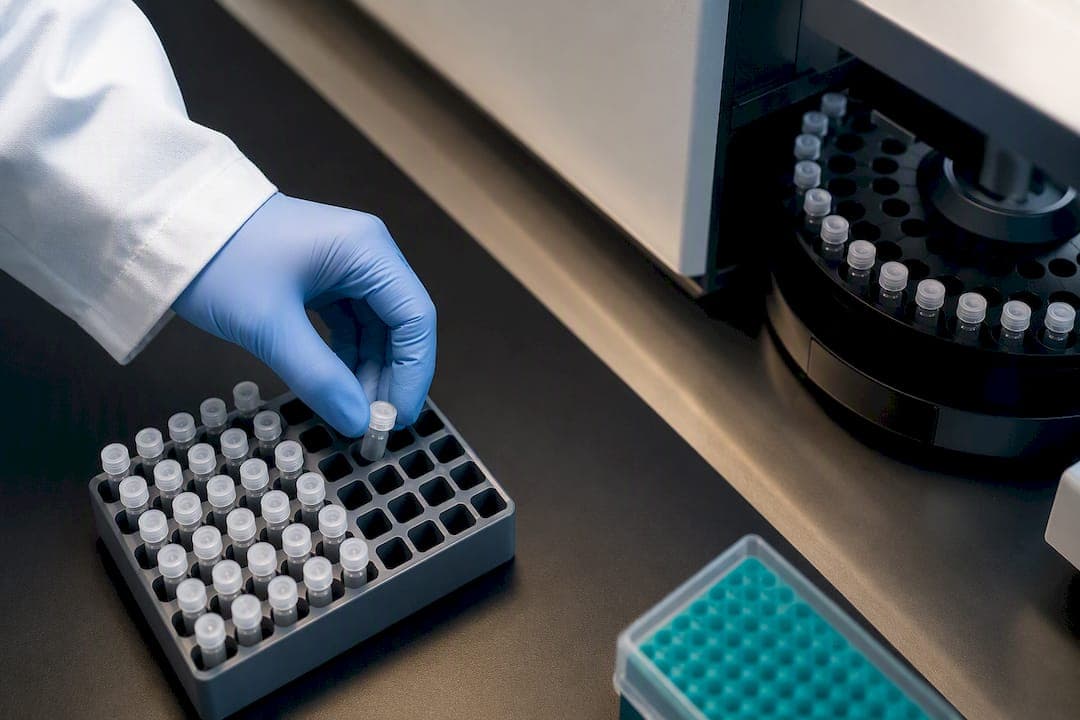
Reproducible Cognitive Peptide Research for Labs: BBB Tests, ≥99% HPLC
Lab focused primer on cognitive peptide research showing how to validate BBB transport, set assay standards, and require ≥99% HPLC sourcing.
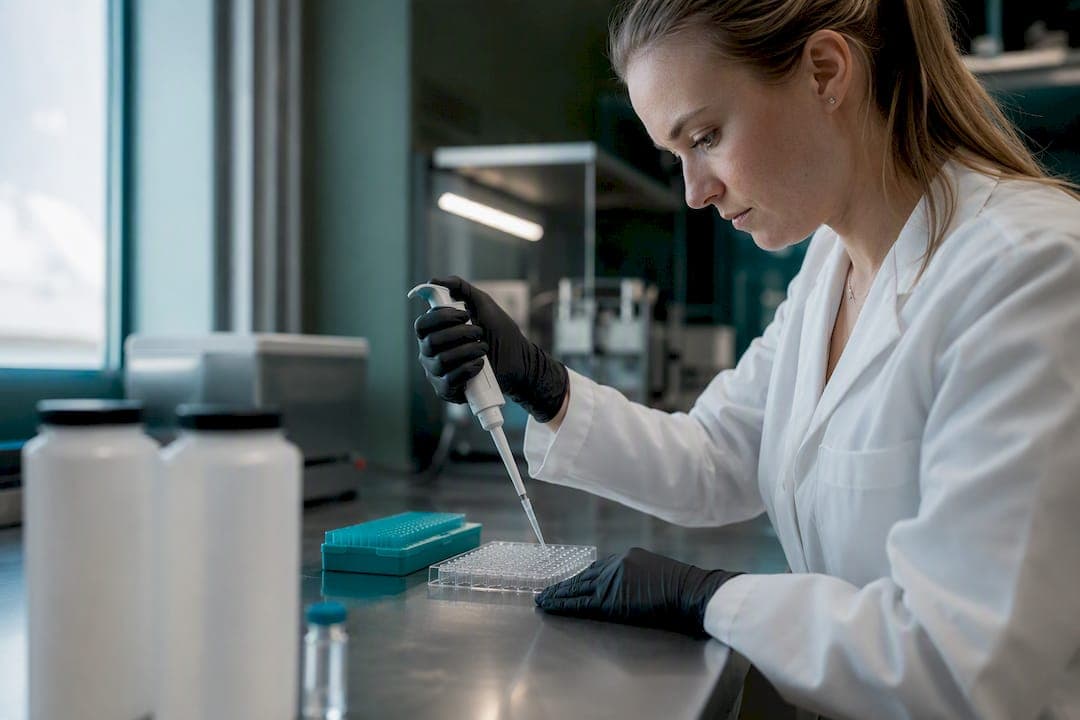
3 Supplier Checks Labs Must Require for Peptide Endotoxin Testing
Use a lab checklist: request batch specific LAL values, the testing lab and method, and matching lot numbers before using injectable peptides.
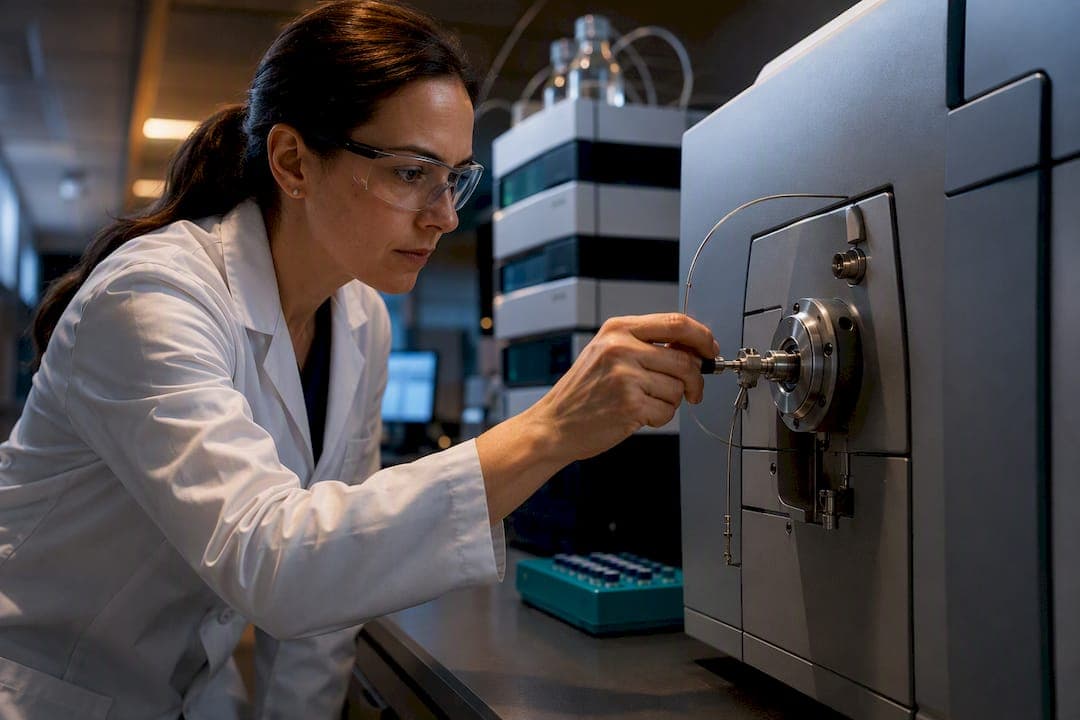
Peptide QC: HPLC vs LC-MS When a USP Study Favors HPLC
Decide when HPLC suffices and when LC-MS is required for peptide QC. See USP multi lab reproducibility findings, a method checklist, and COA fields to...
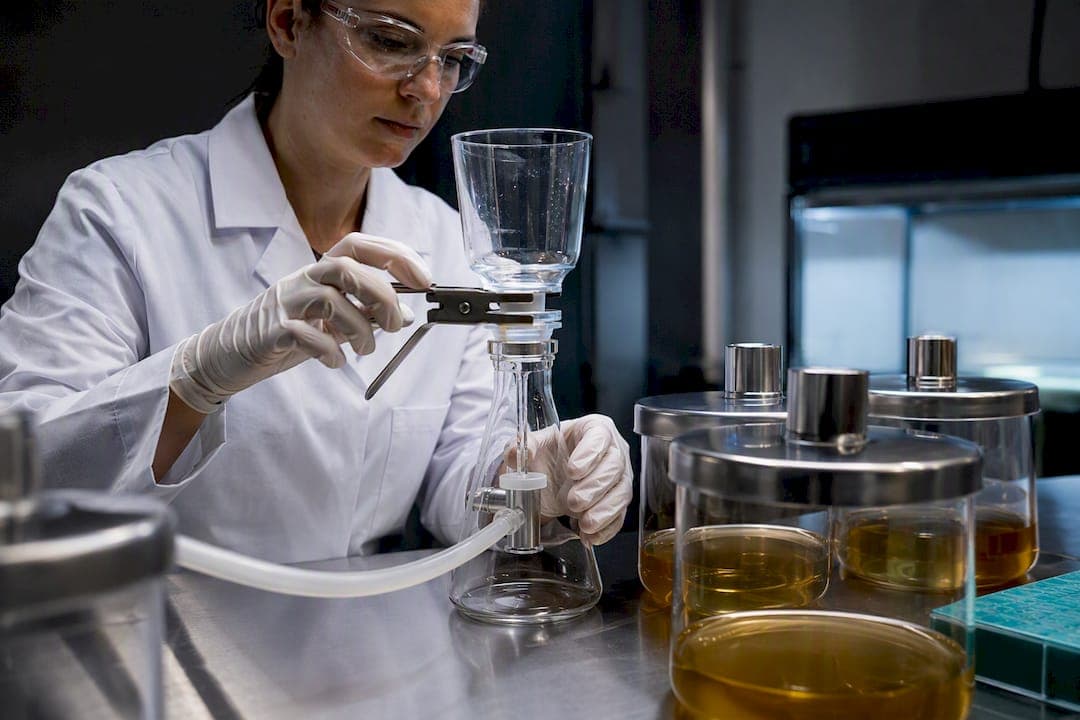
14 Day USP <71> Test: What Peptide Sterility Testing Shows
Learn what a USP <71> 14 day sterility test proves, why a purity COA doesn't equal sterility, and which COA details labs must check.